Earlier on the trip, when we crossed from Honduras into Nicaragua, the Honduran border agent ripped one of the stamp pages in Julian’s passport. Whilst it seemed like no problem to get into Nicaragua, it certainly was more problematic to exit the county. It took a good hour for various people to look at the page and call multiple supervisors to eventually let us out and walk to the Costa Rican border. Luckily, the Costa Rican immigration was slightly easier as we were able to communicate in English and explain what happened.
However, the whole process took so long that we missed the bus we were aiming for on the Costa Rican side. So we got to the ferry terminal in Punta Arenas much later than expected, missing the 5pm ferry and the connecting buses to Montezuma on the other side. Luckily we met a nice guy from England with a rental car who gave us a lift all the way to Montezuma, saving us a lot of money for a taxi.
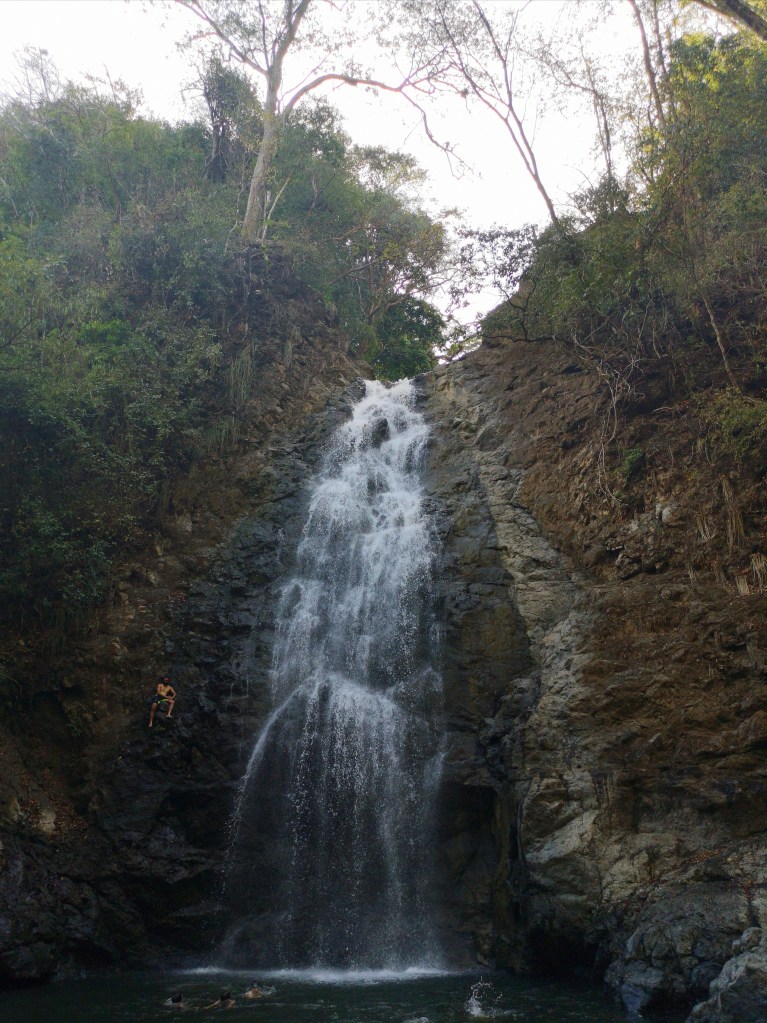
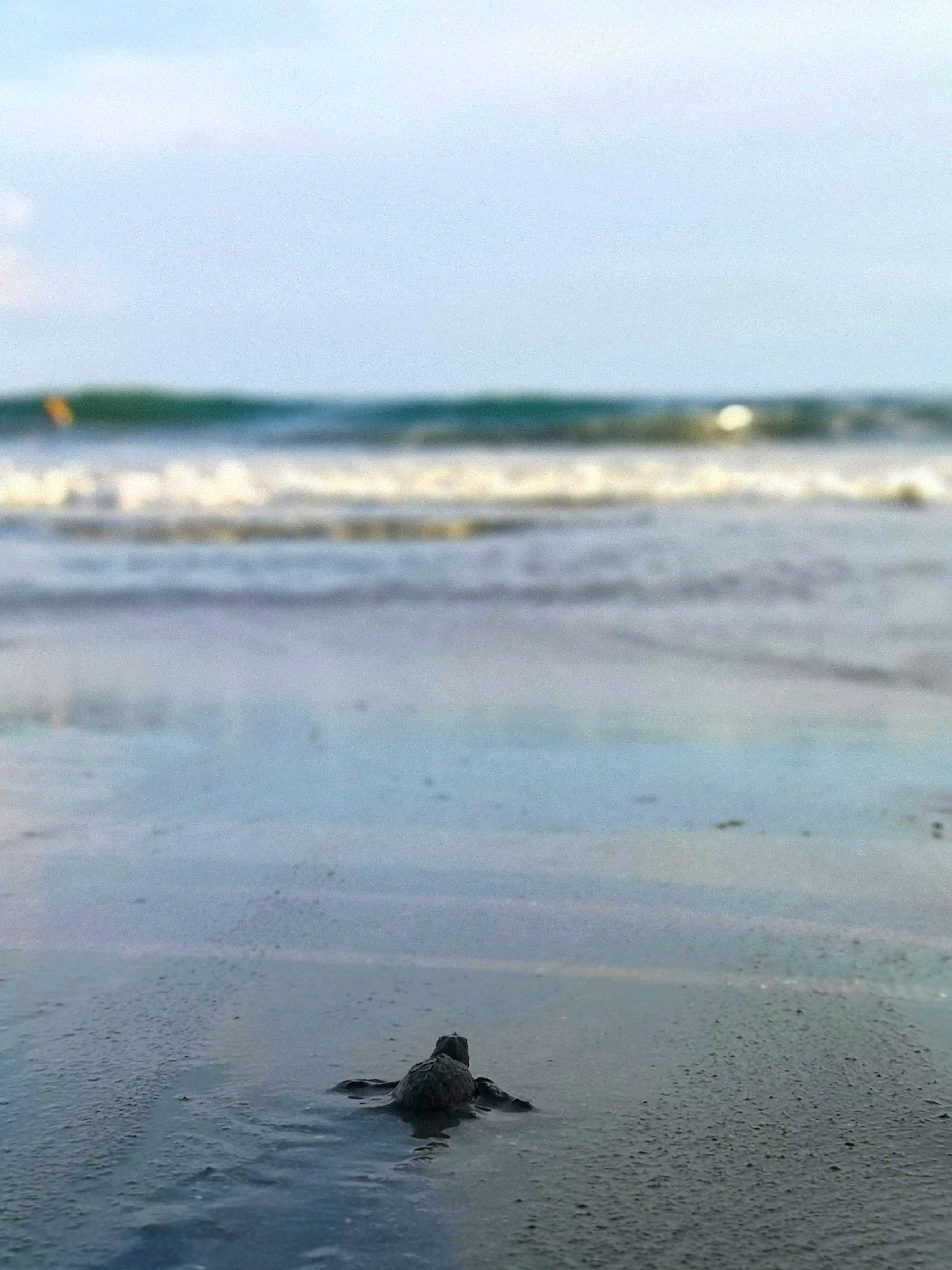
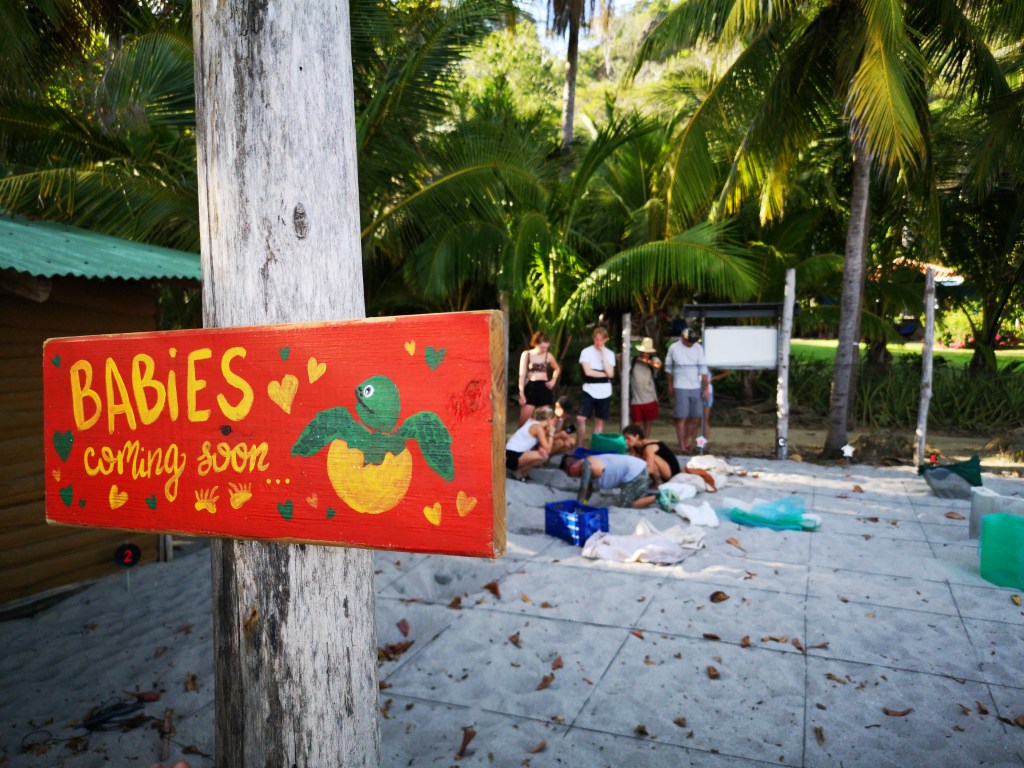
There, we spent a few days walking to some waterfalls and along the beautiful beaches in the area, as well as witness freshly hatched baby turtles being released into the ocean 🐢 😍
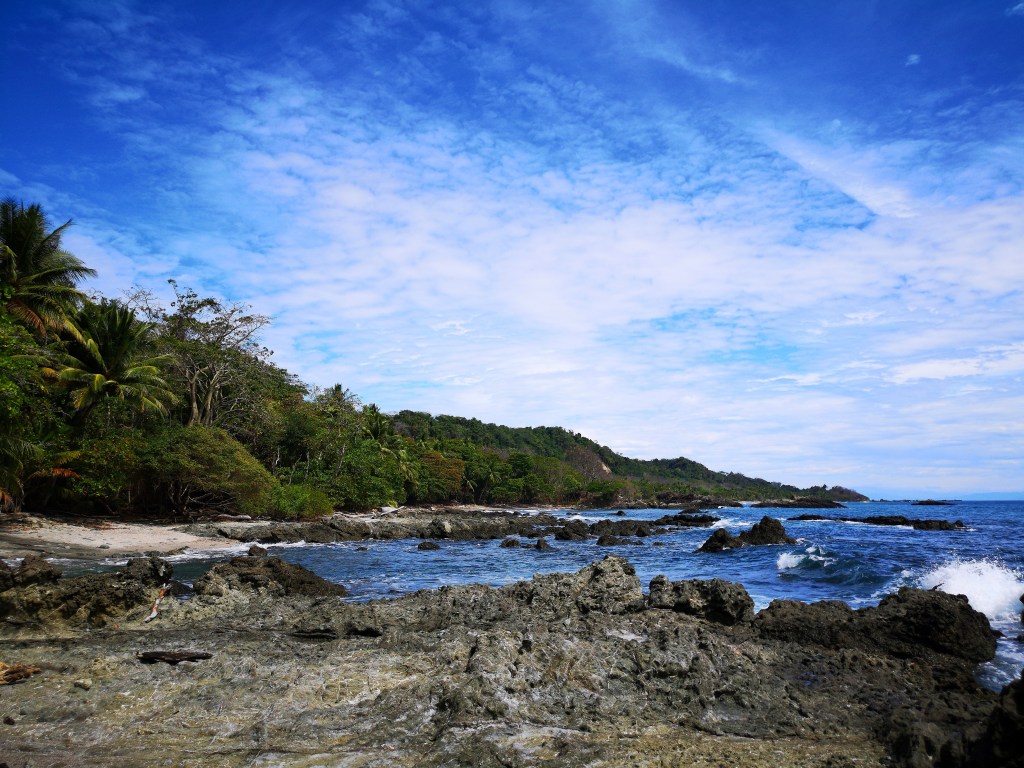
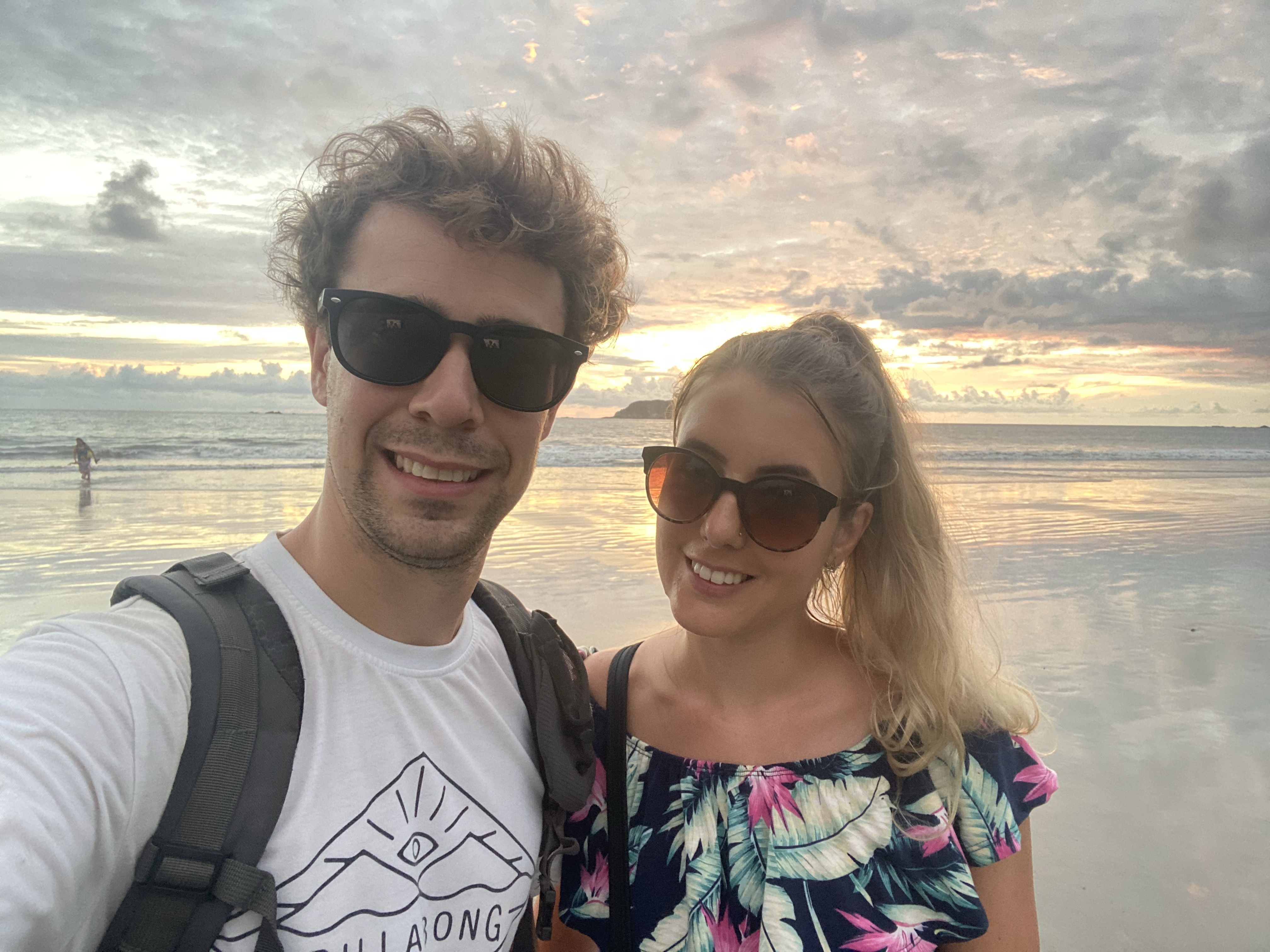
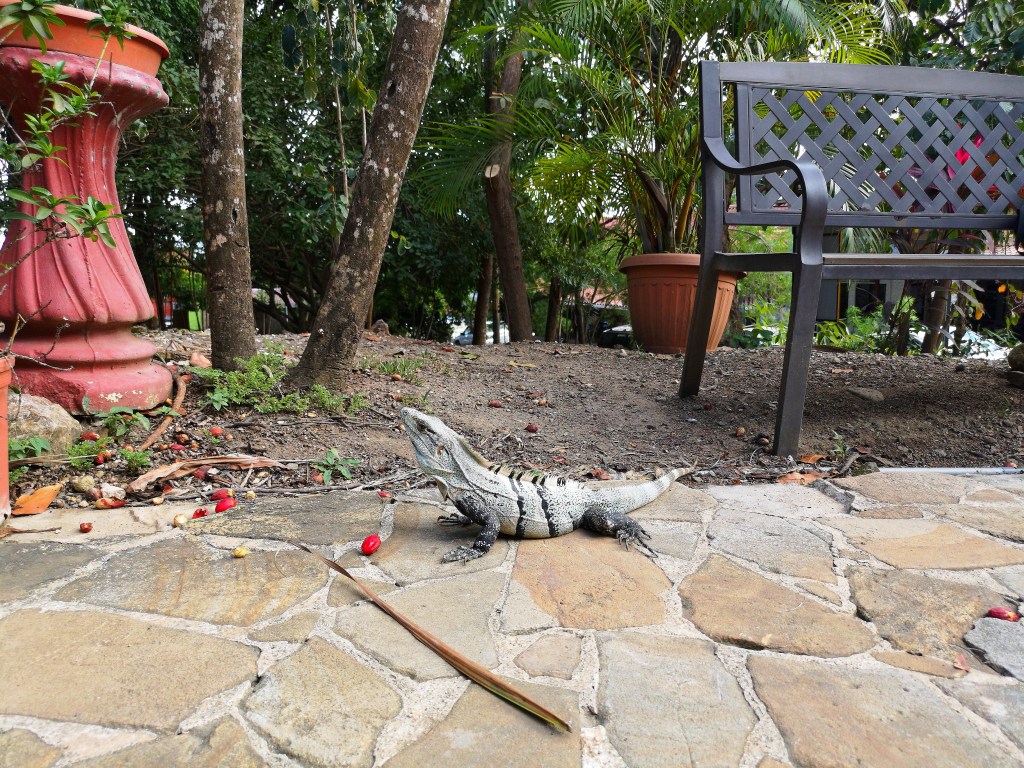
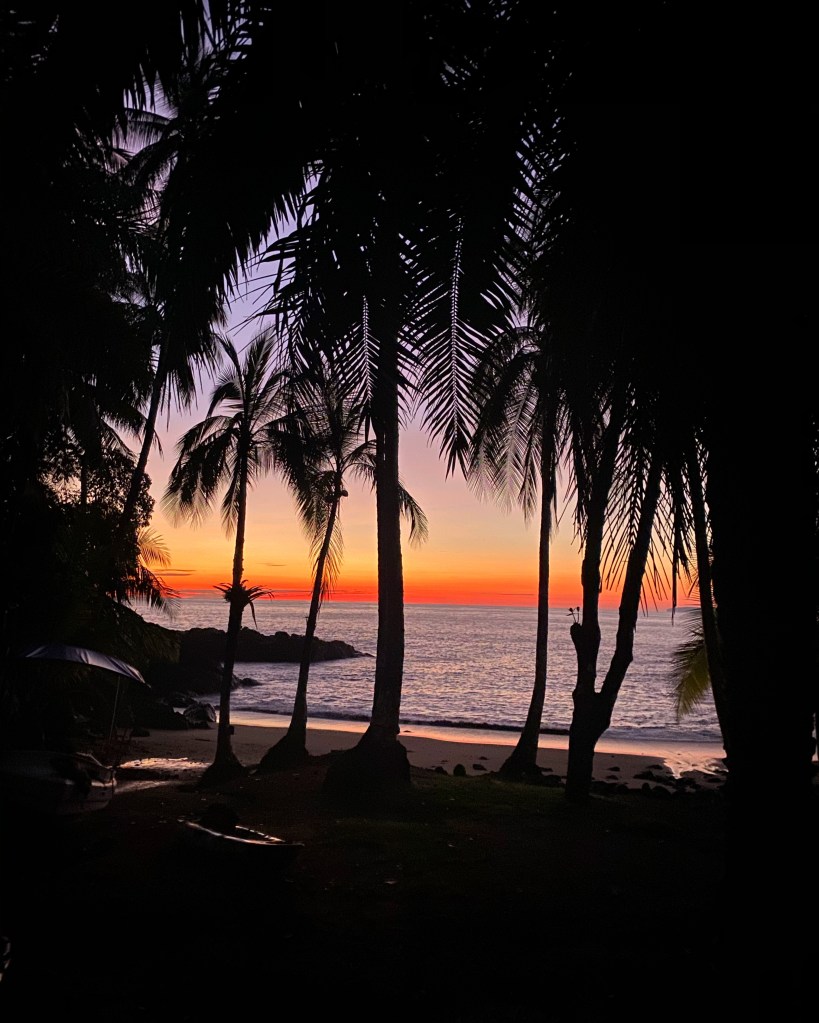
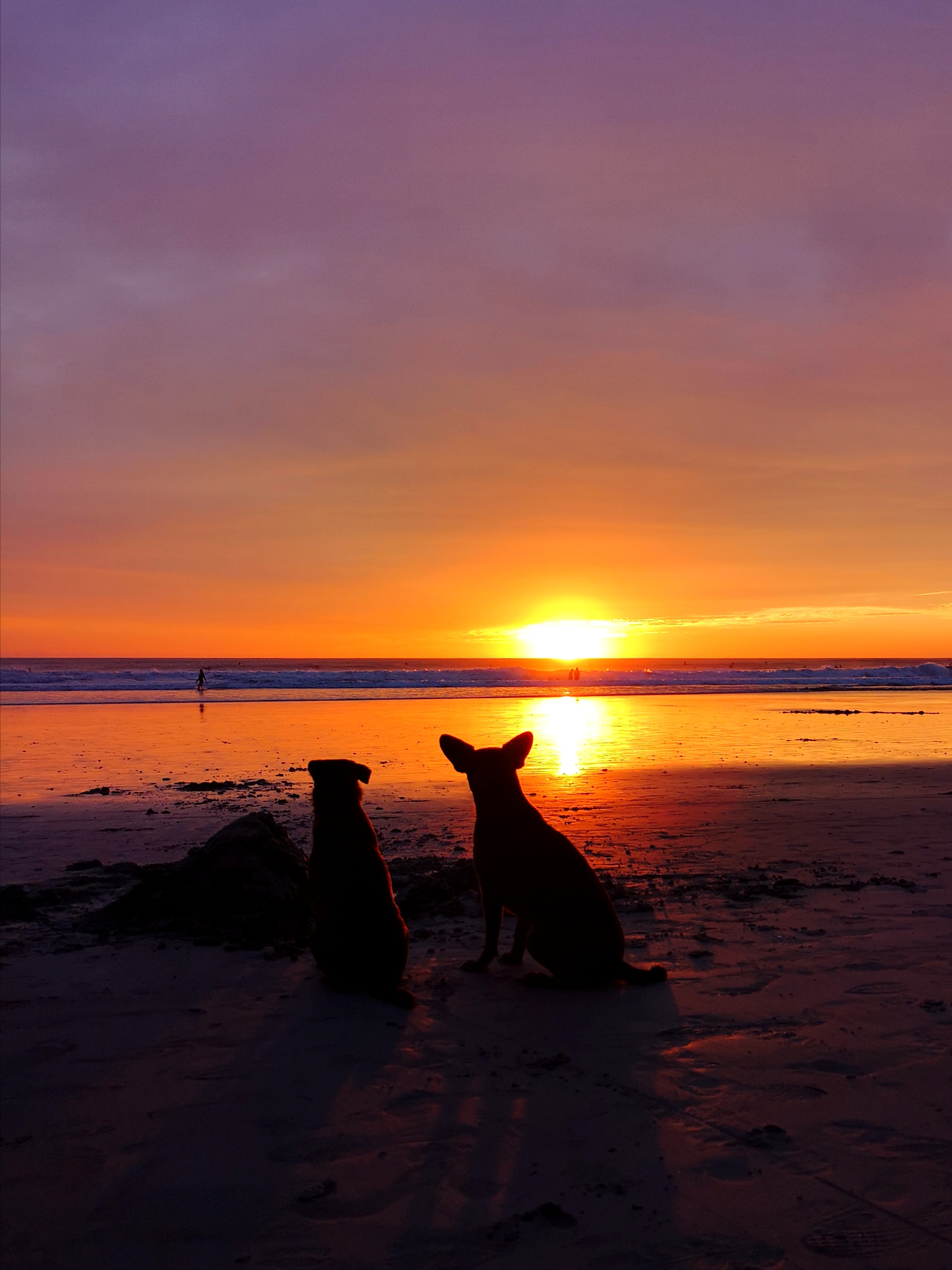
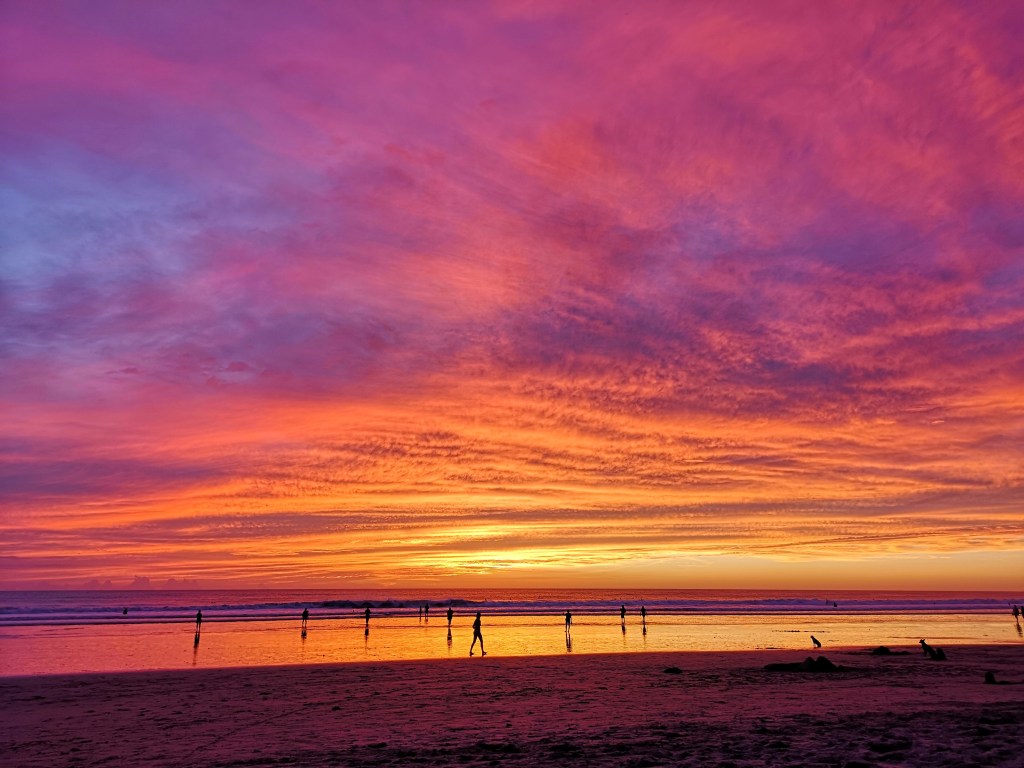
From Montezuma we headed just to the other side of the peninsula to Santa Teresa, a popular spot for surfers. We were quite happy that we only had 1 night booked there, as the town was incredibly dusty due to the roads and amount of traffic – to a degree that most people walk around with face masks or scarfs around their faces. The beach itself is gorgeous though, and we were treated to one of the most colourful sunsets of this trip which even the dogs on the beach seemed to enjoy.
After the short stop in Santa Teresa we went south to Manuel Antonio – a place we visited over 4 years ago when we were in Costa Rica for the first time and which we loved. After a day of just relaxing on the beach (and almost losing the GoPro in the waves), we moved on to Corcovado National Park in the southwest of Costa Rica – “the most biologically intense place on Earth in terms of biodiversity” according to National Geographic. We stayed in a remote lodge surrounded by nothing but jungle and went on some walks both during the day and in the dark to explore the biodiversity and relax at some empty beaches in the area. Some of the highlights were the bats living in our dorm, 2.5m long snakes crossing the walking trails and a little anteater climbing a tree right next to the path.
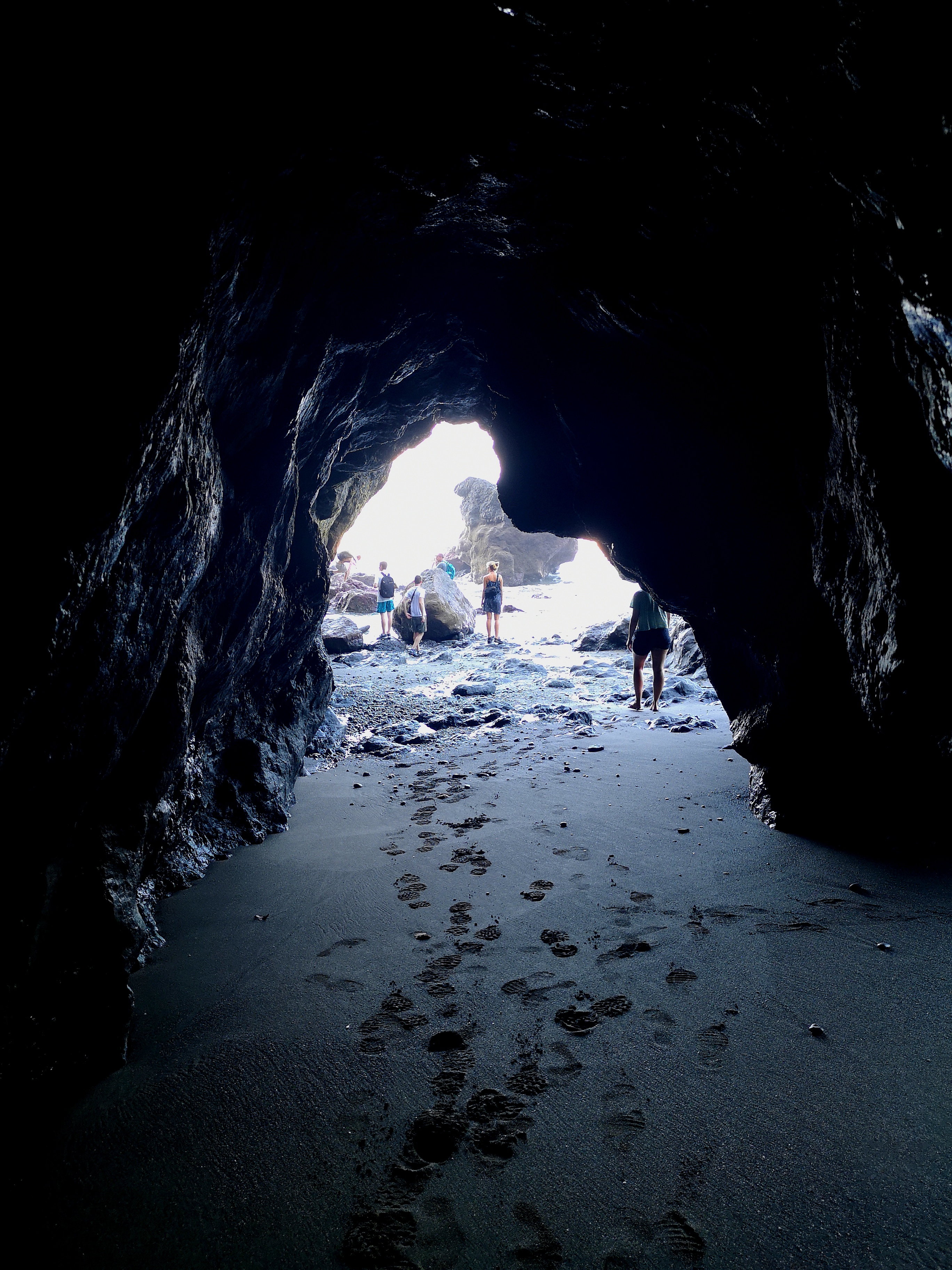
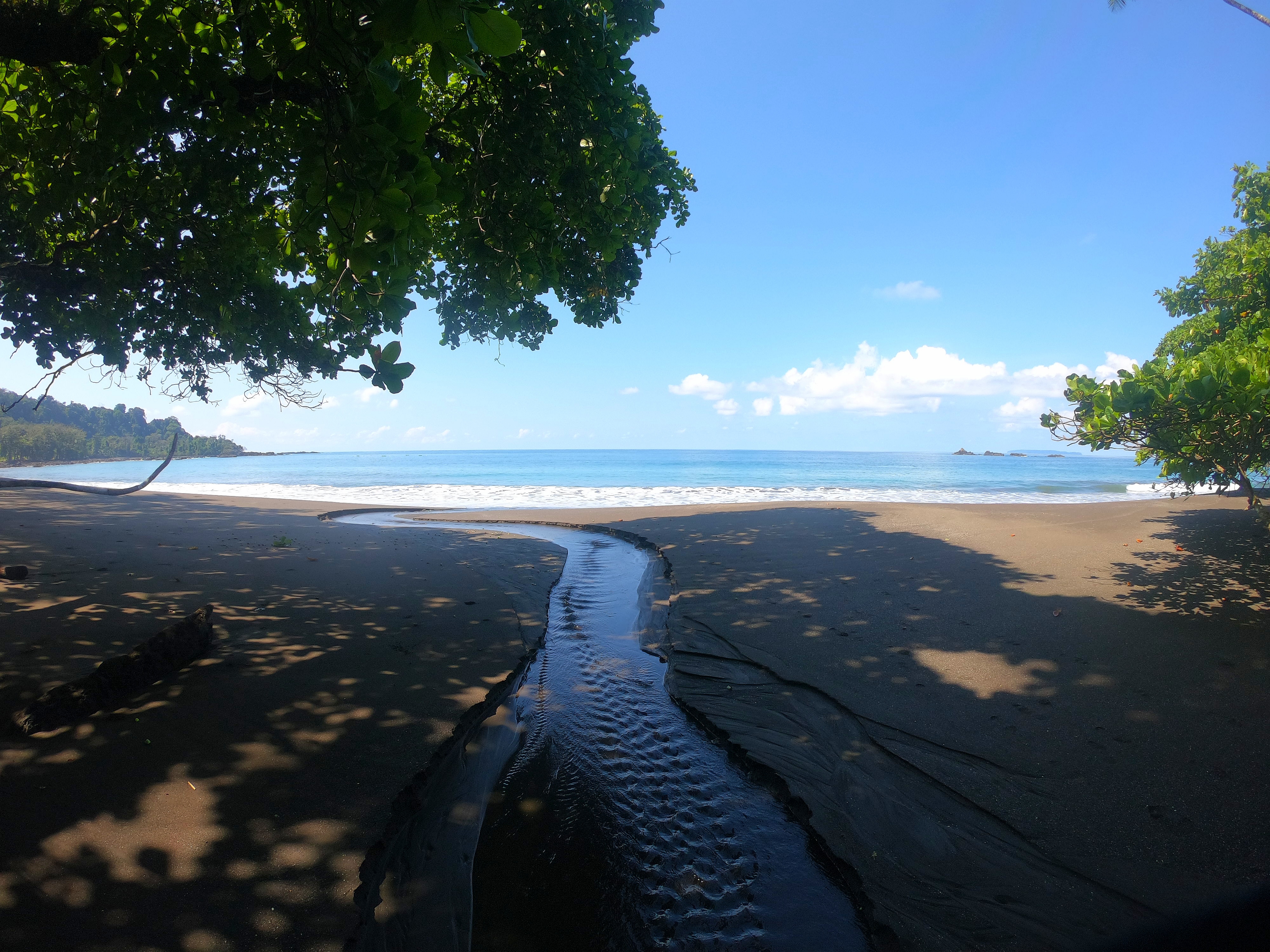
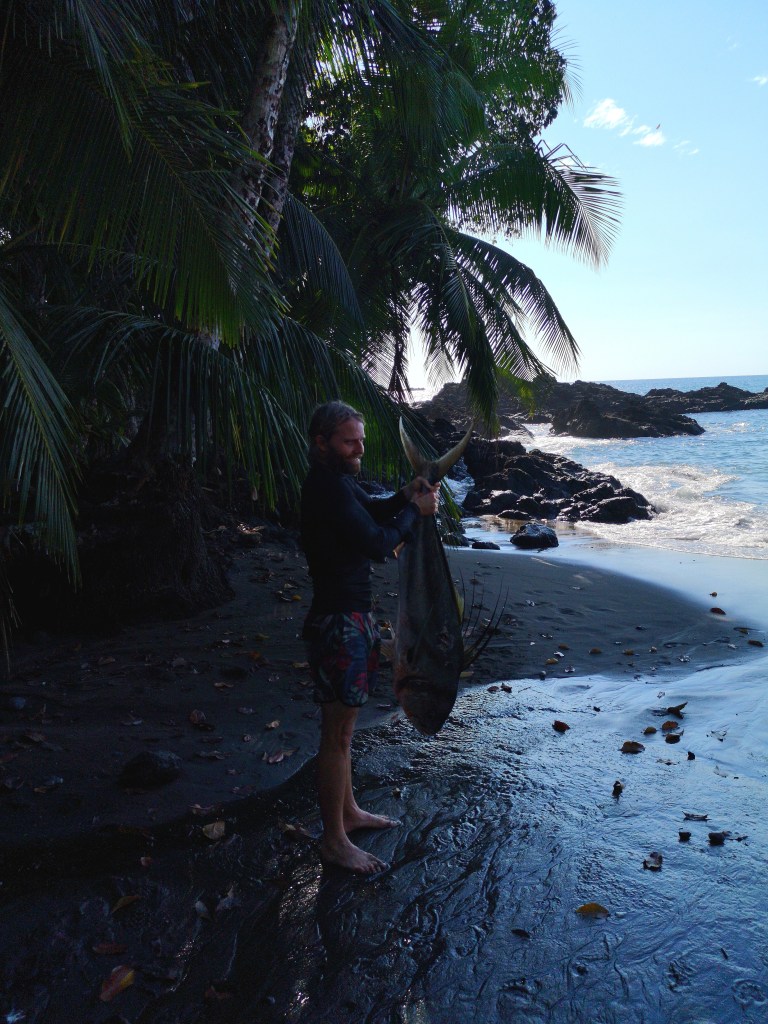
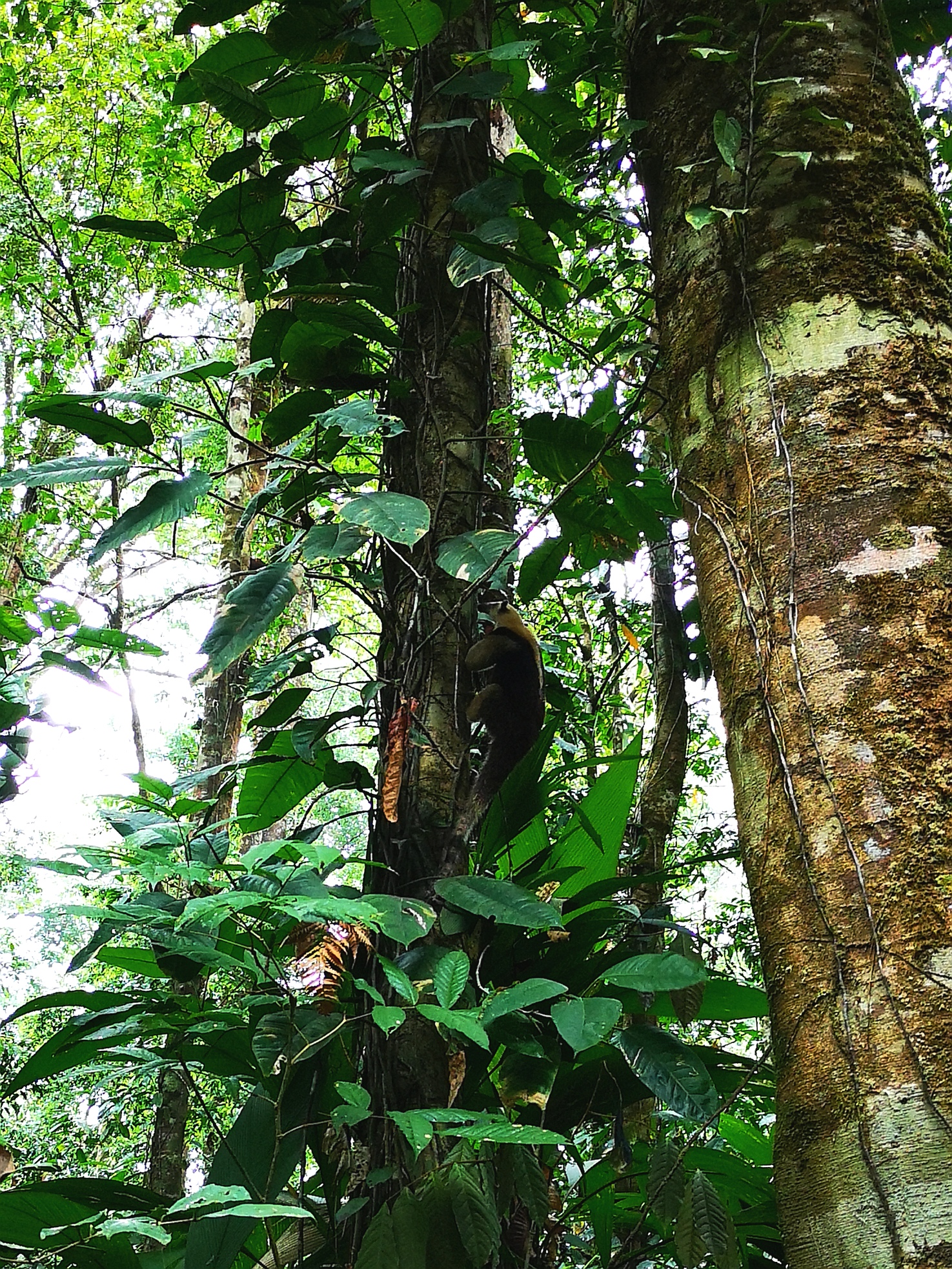
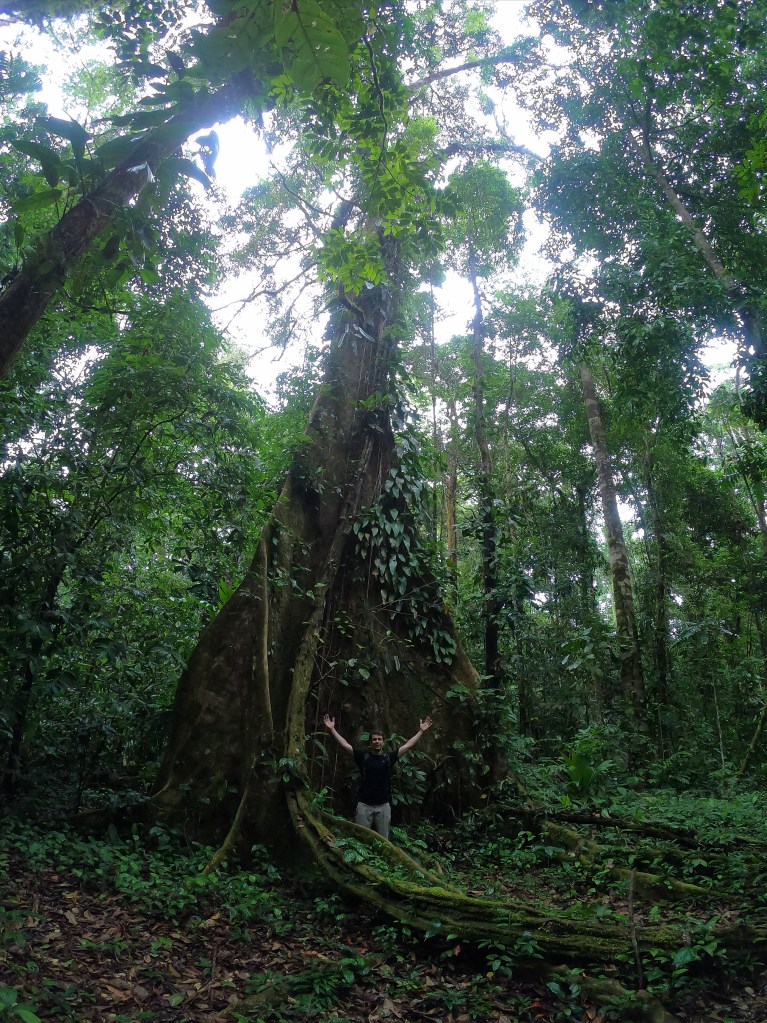
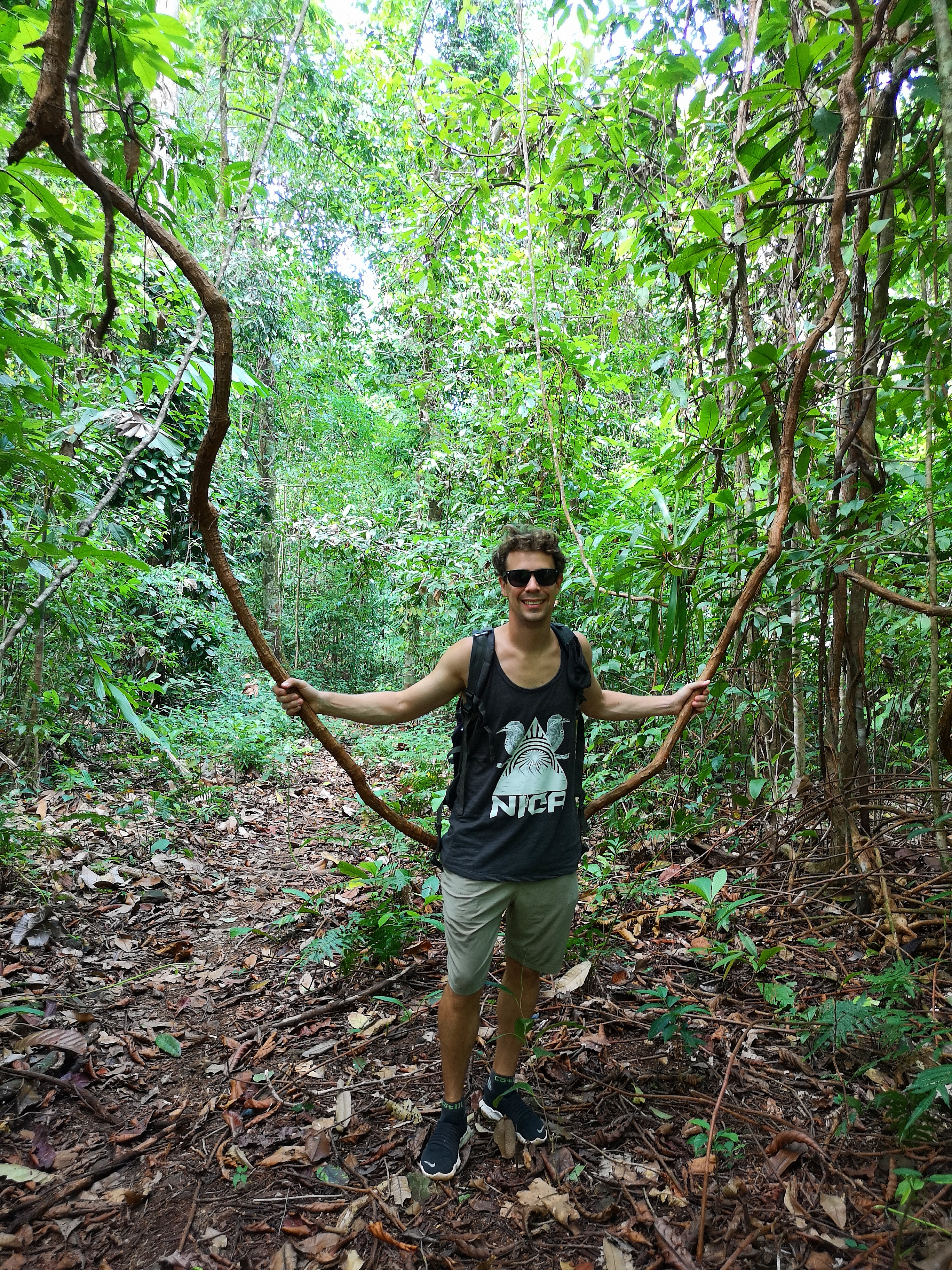
That concluded our short visit to Costa Rica and we made our way to the border with Panama from here.
Some info
Public transport 🚍
On neither of the travel days our buses didn’t connect or wait for each other (despite people at the bus stations advising us differently). We therefore spent a lot of time waiting for buses, missing further connections and taking much longer than expected to get from A to B.
Prices 💸
Even though we knew it beforehand from our previous visit and research, it struck us again how expensive some things are. Whilst public transport is basically as cheap as in the countries to the north, everything else can cost up to 4x the amount – especially anything related to tourism. In Guatemala, we took tourist shuttles (for 12+ hours) for £10-15 – in Costa Rica, a 5-8 hour transfer would cost a minimum of £50 and up to £150.
The heat 🥵
Despite having travelled through most of Central America to reach Costa Rica (including some very hot areas), the heat and humidity in Costa Rica felt more extreme than anywhere else on this trip.
 Adventure Unknown