
This section of the trip has seen us traveling from Oaxaca to San Cristóbal de las Casas, Palenque, Mérida and Valladolid all the way to Cancun Airport from where we flew to Cuba. A bit of a delay on this post as we weren’t able to upload this post in Cuba and had to wait until we were back in Mexico. Everyone who’s been to Cuba knows that internet is a luxury item there but more about that in that in our next post.
Oaxaca
There’s basically one reason why people travel to Oaxaca: THE FOOD. So needless to say we spent 4 days here stuffing our faces with any food within reaching distance.
Oaxaca is well known for its food and the region has lots of different types of foods to offer that you can’t find in other areas.
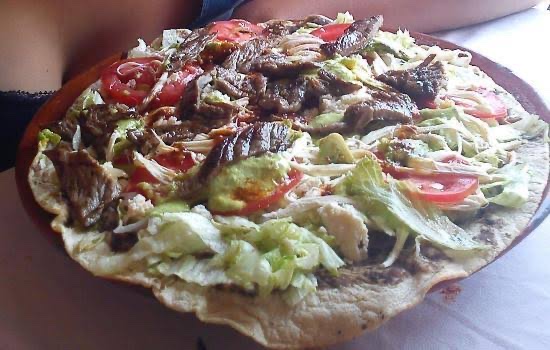
Upon first arriving we tucked into a tlayuda at a nearby food truck. It’s basically a big fried and crispy tortilla, topped with cheese, refried beans, meat and sometimes other things like cabbage, lettuce, tomato and avocado. I also heard it being called a ‘mexican pizza’ We actually forgot to take a photo but here’s one I found on google!
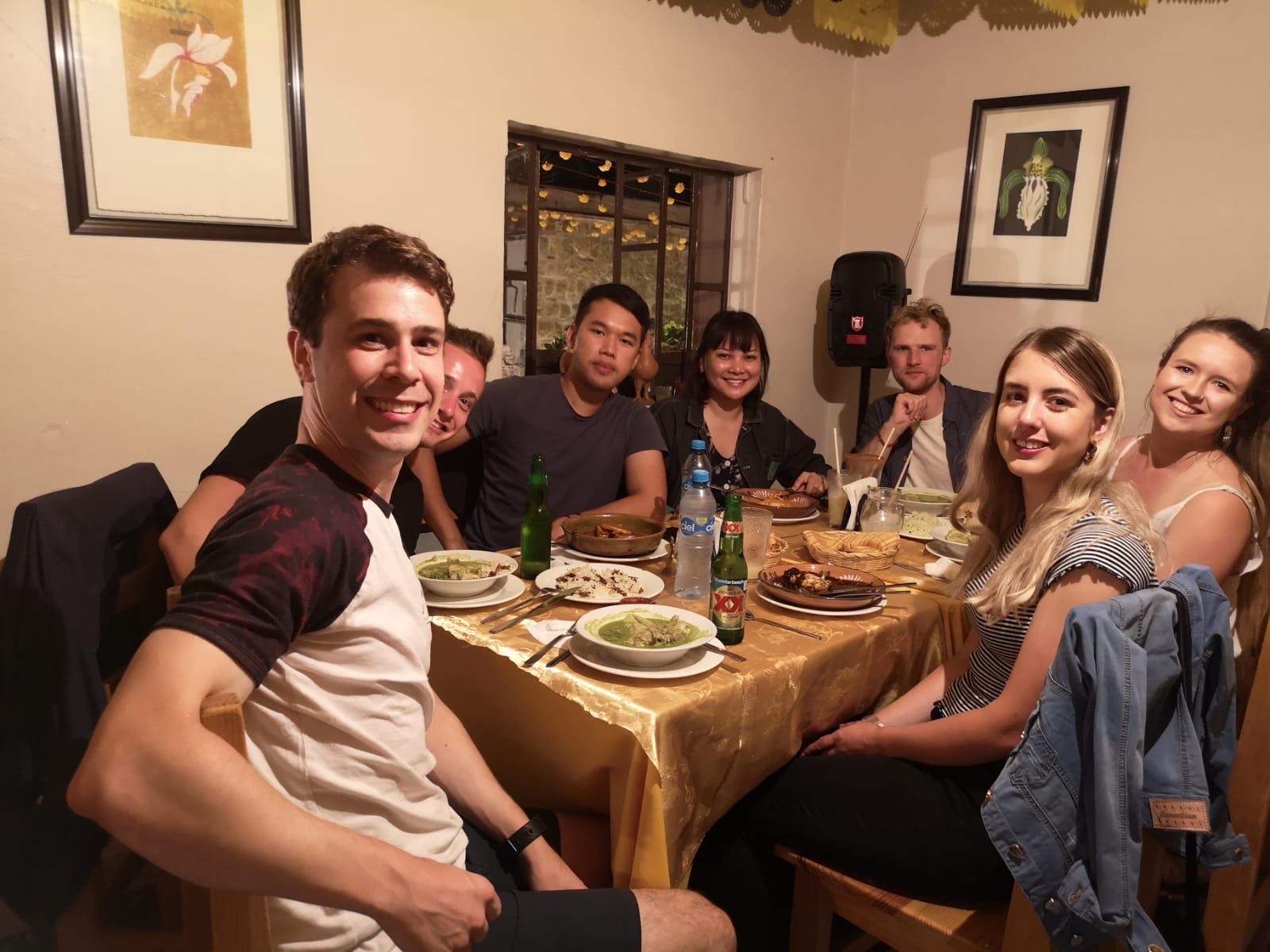
Another food you must try in Oaxaca is of course the MOLE! We found a group of people at the hostel also keen to try some Mole so we went to a nearby restaurant that specialized in it (7 types) so between all of us ended up sampling quite a few! I went for the classic ‘Mole Negro’ (which can contain upto 30 different ingredients!) which was really nice and definitely tasted very complex so it’s not something I could eat often though.
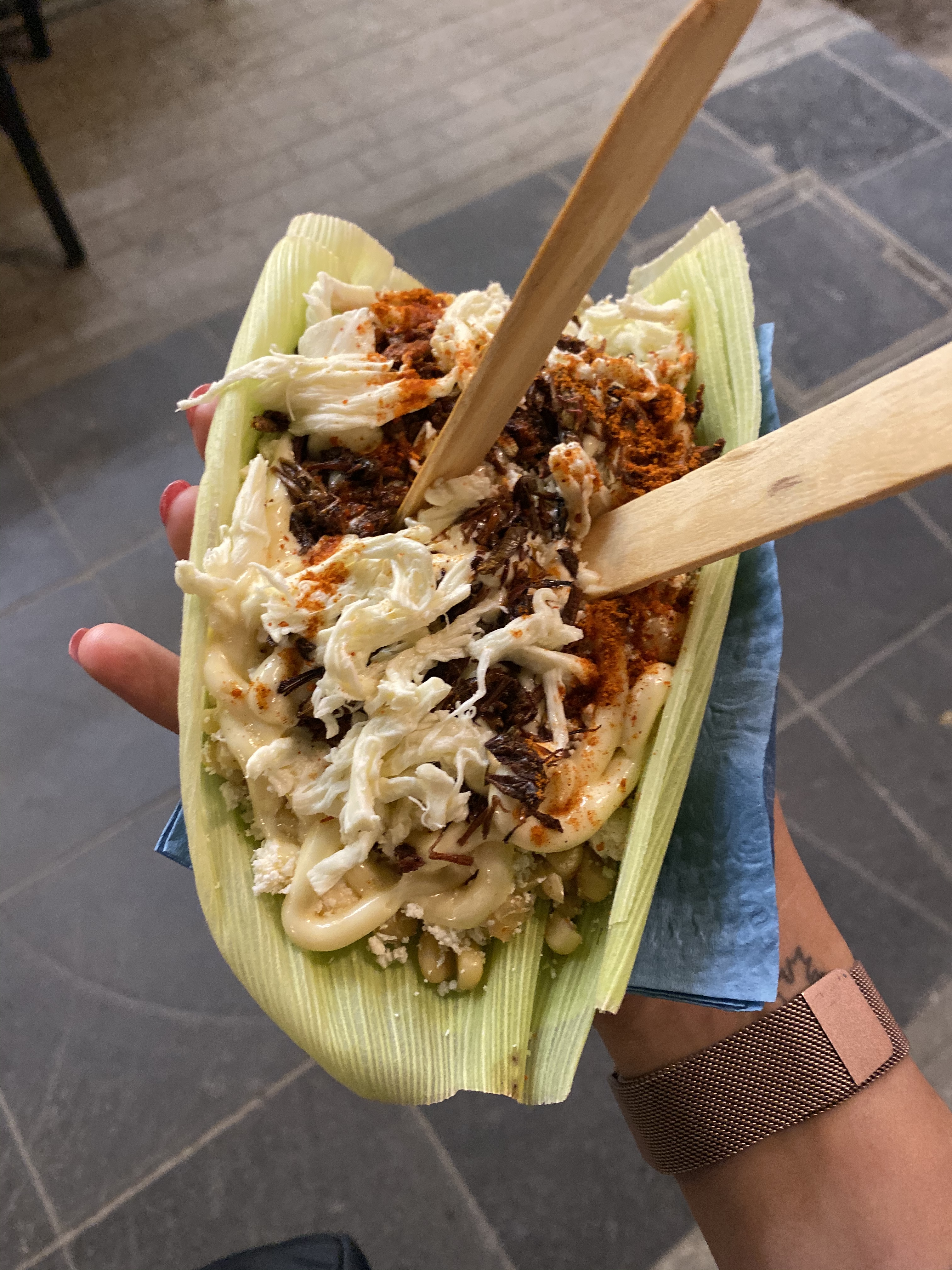
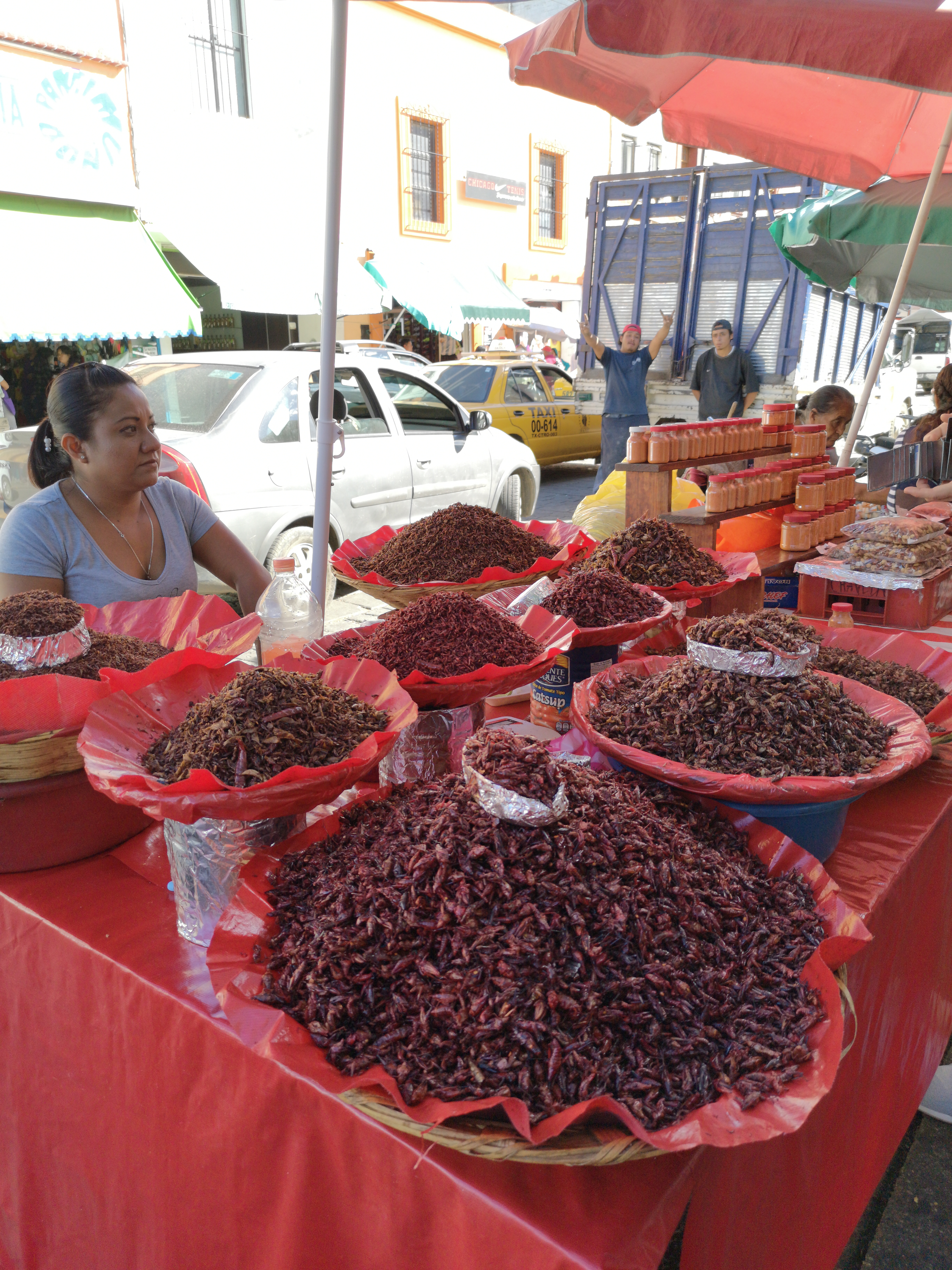
A cheap and reoccurring favorite food of ours on the trip has been Esquites. It’s basically the same as Elotes which is a corn on the cob covered in mayonnaise, cheese, lime, paprika and other spices – except esquites is just the corn kernels covered with all those ingredients usually served in a cup. In Oaxaca you could get them a bit different and served on a banana leaf with bugs as topping! It was surprisingly really good!
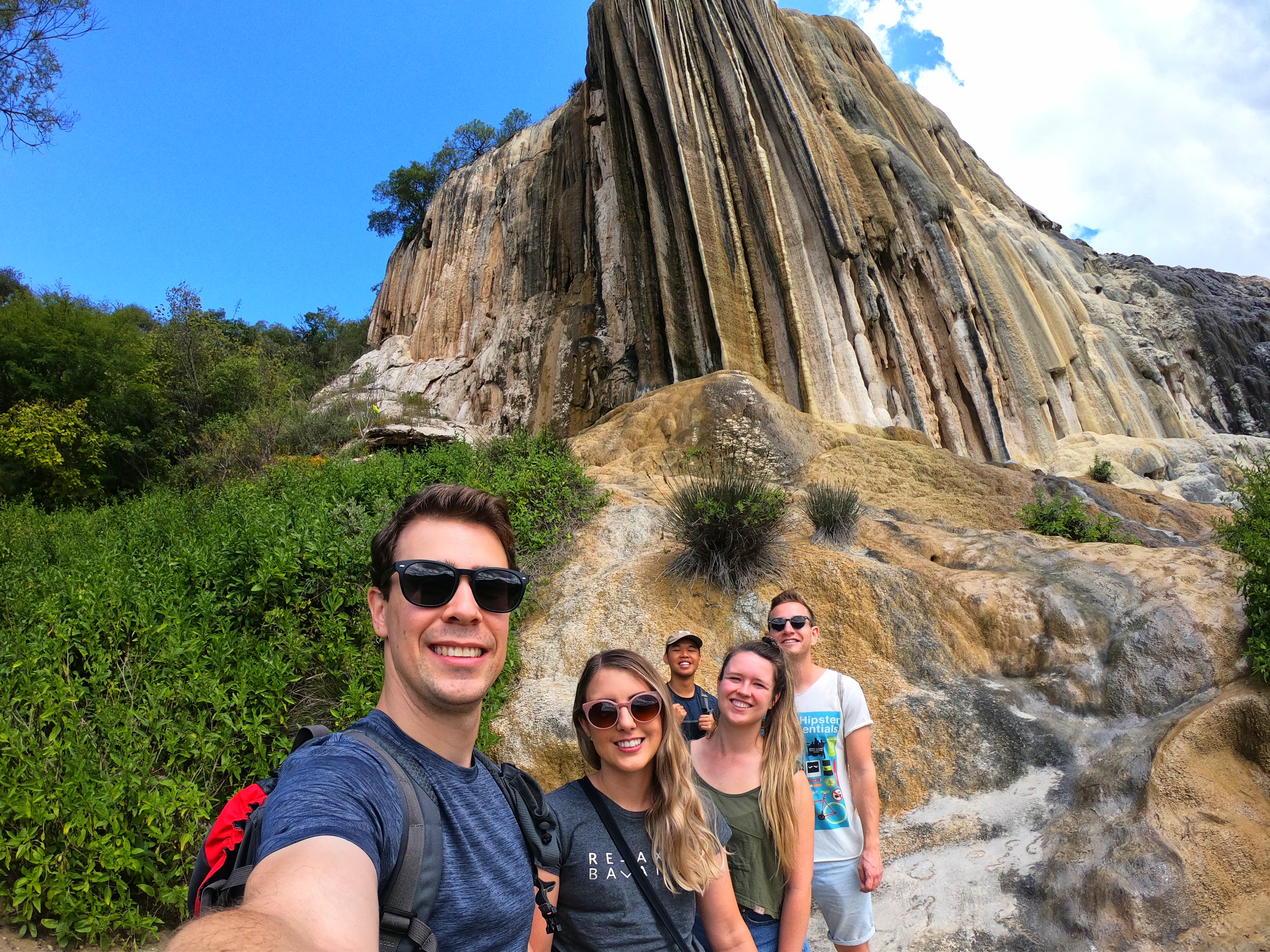
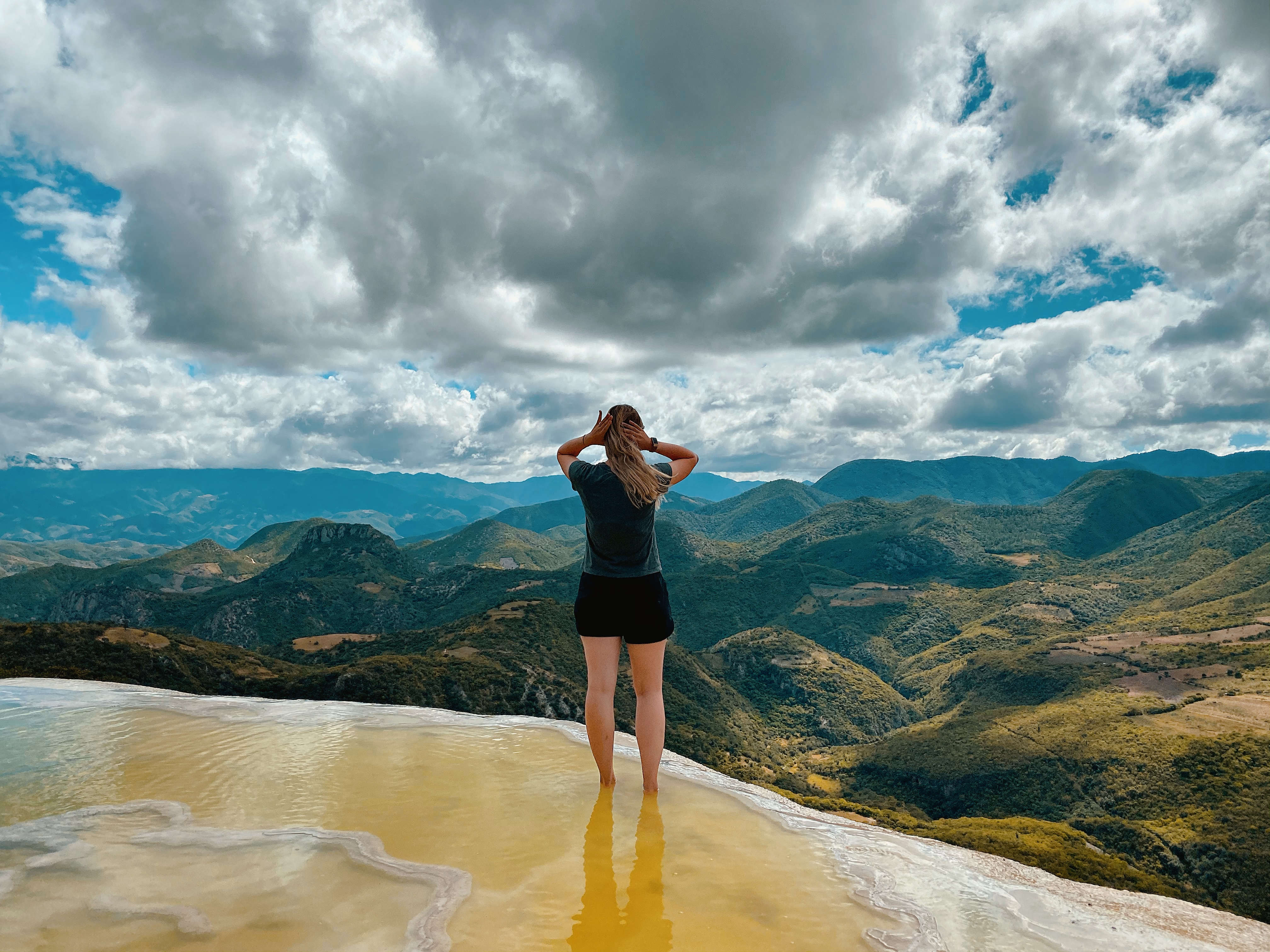
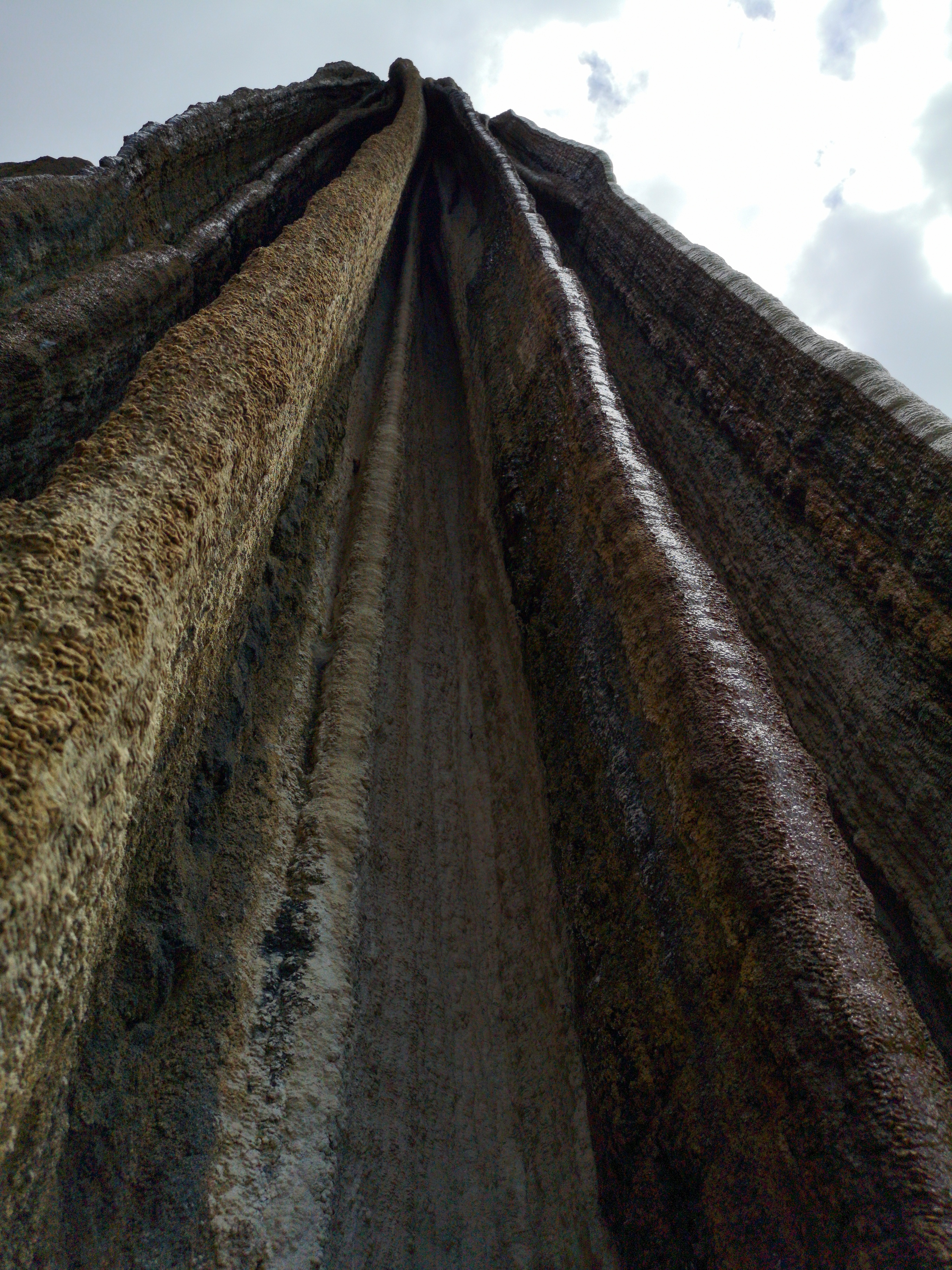
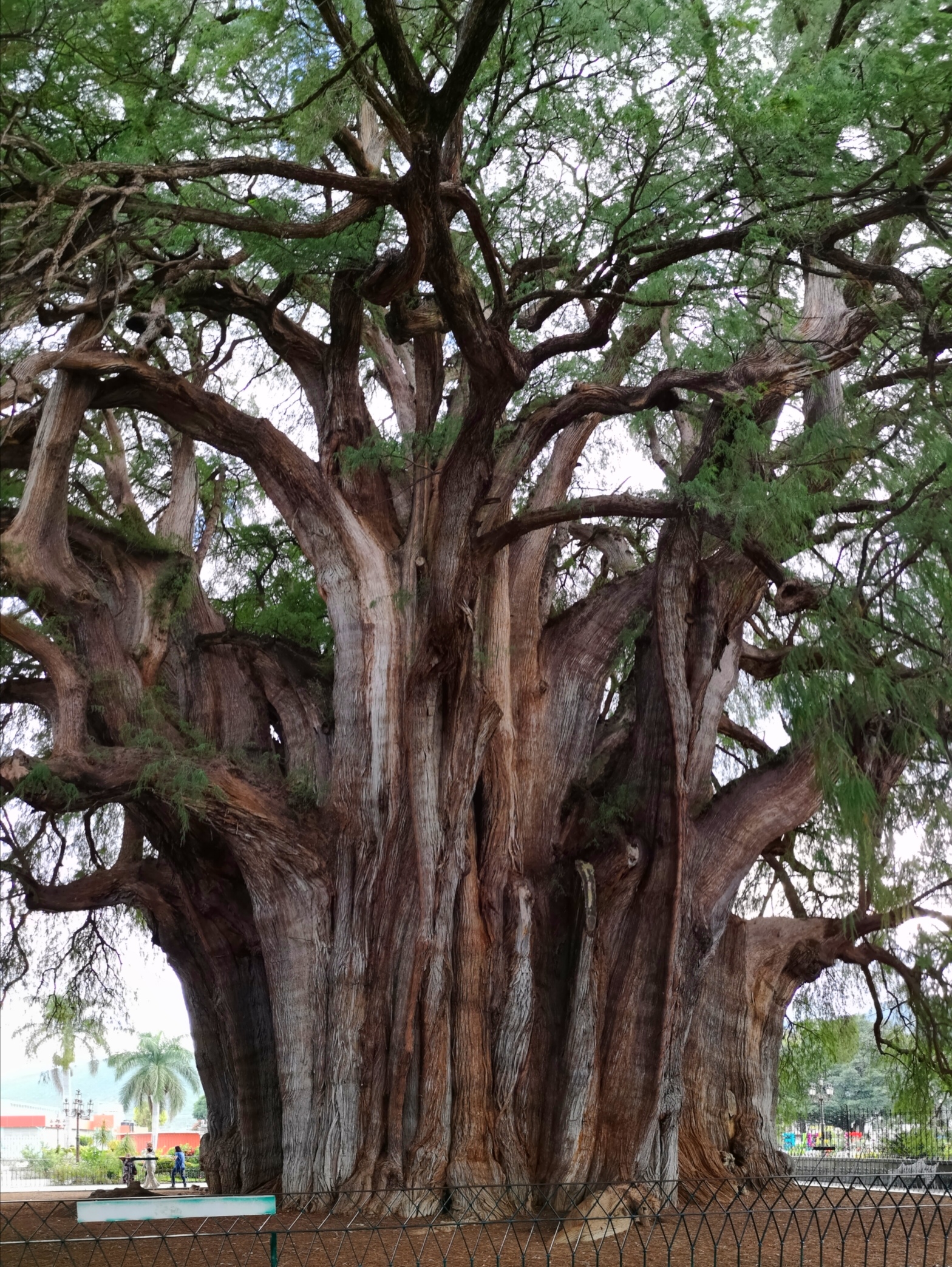
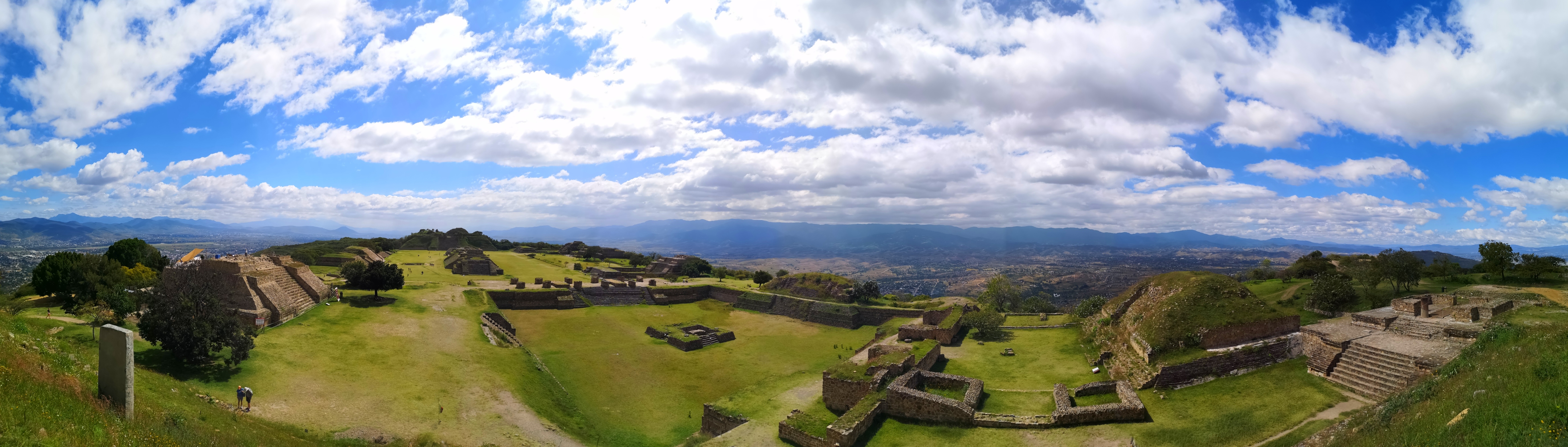
On one of the days in Oaxaca we decided to rent a car and go on a little road trip to Hierve el Agua (fortified waterwalls) and El Árbol de Tule (widest tree in the world). We also went to the Mayan ruins at Monte Albán.
San Cristóbal de las Casas
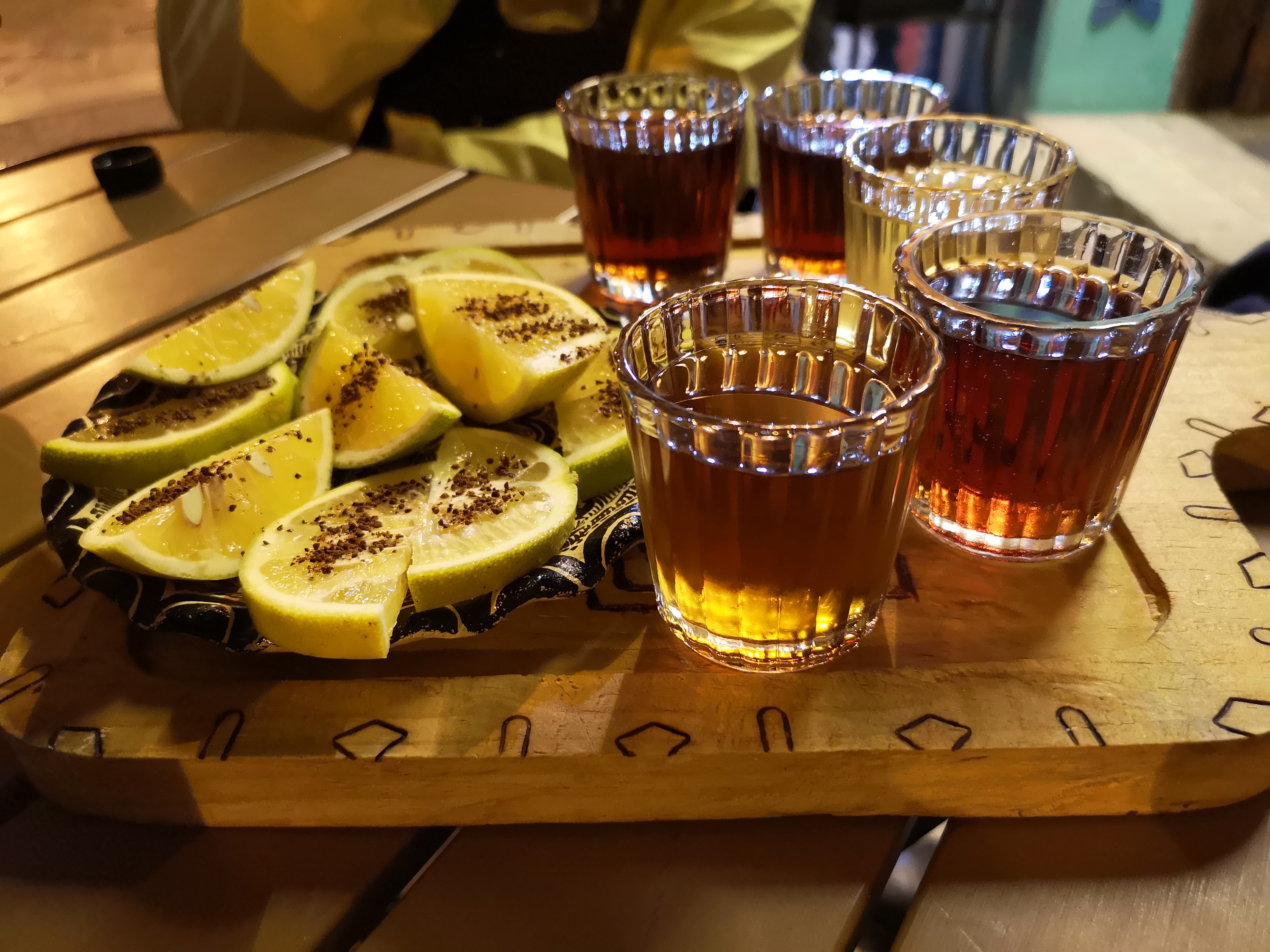
The next stop was San Cristóbal de las Casas which we got to via a 10 hour overnight bus ride. After napping and exploring the town through a waking tour to find out more about the history and of the area we took a colectivo to Chamula. There, Christian and indigenous traditions have been merged into some “interesting” rituals, including sacrificing chickens (in combination with the local alcoholic drink Pox, Coca Cola and other foods and drinks) all of this happens in the middle of the town’s church. Of course it’s a highly touristic attraction these days but it is strictly forbidden to take any photos or videos inside the church. Since we were there on a weekend, we even got to see the local kids’ spin top competition.
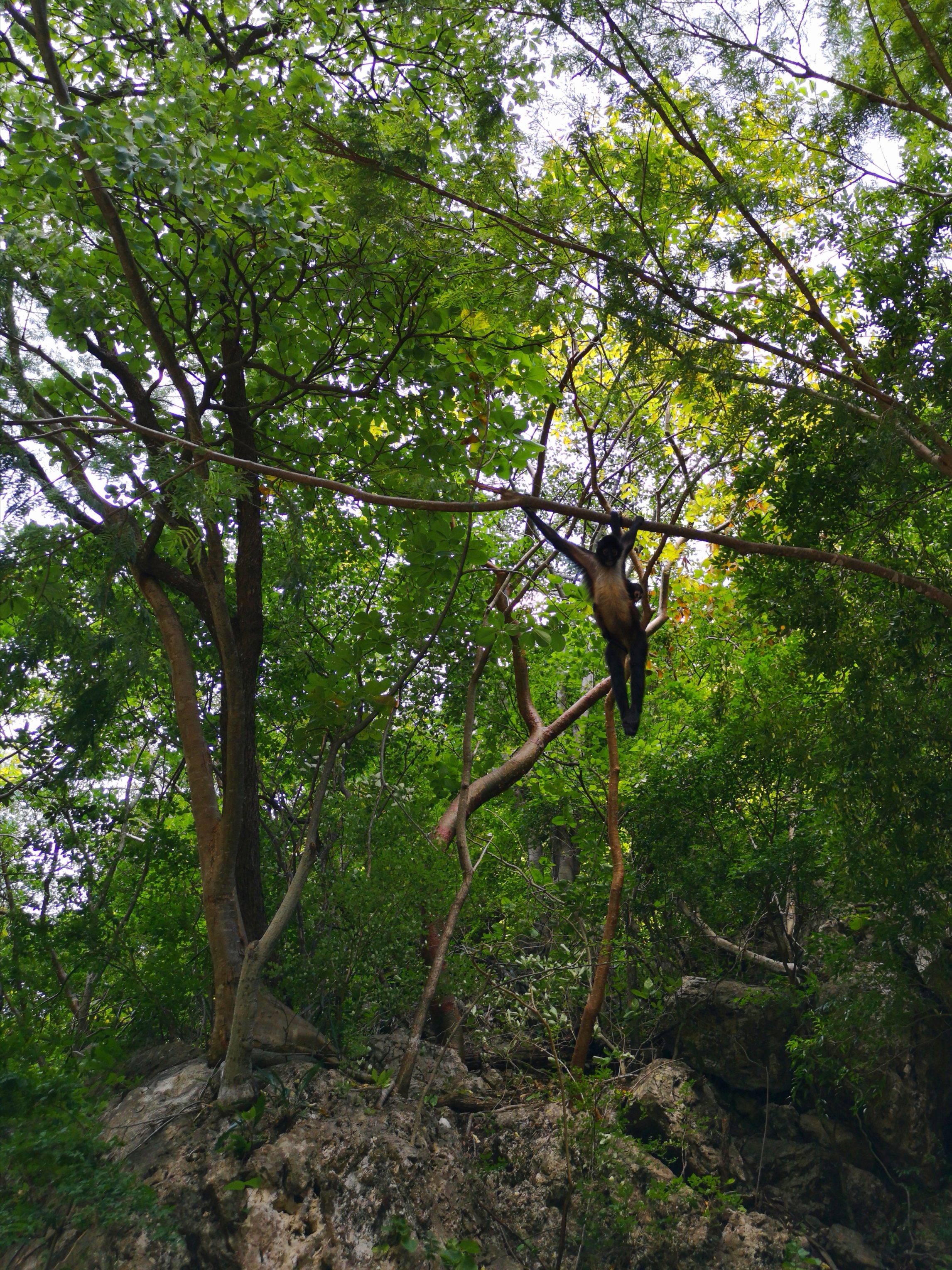
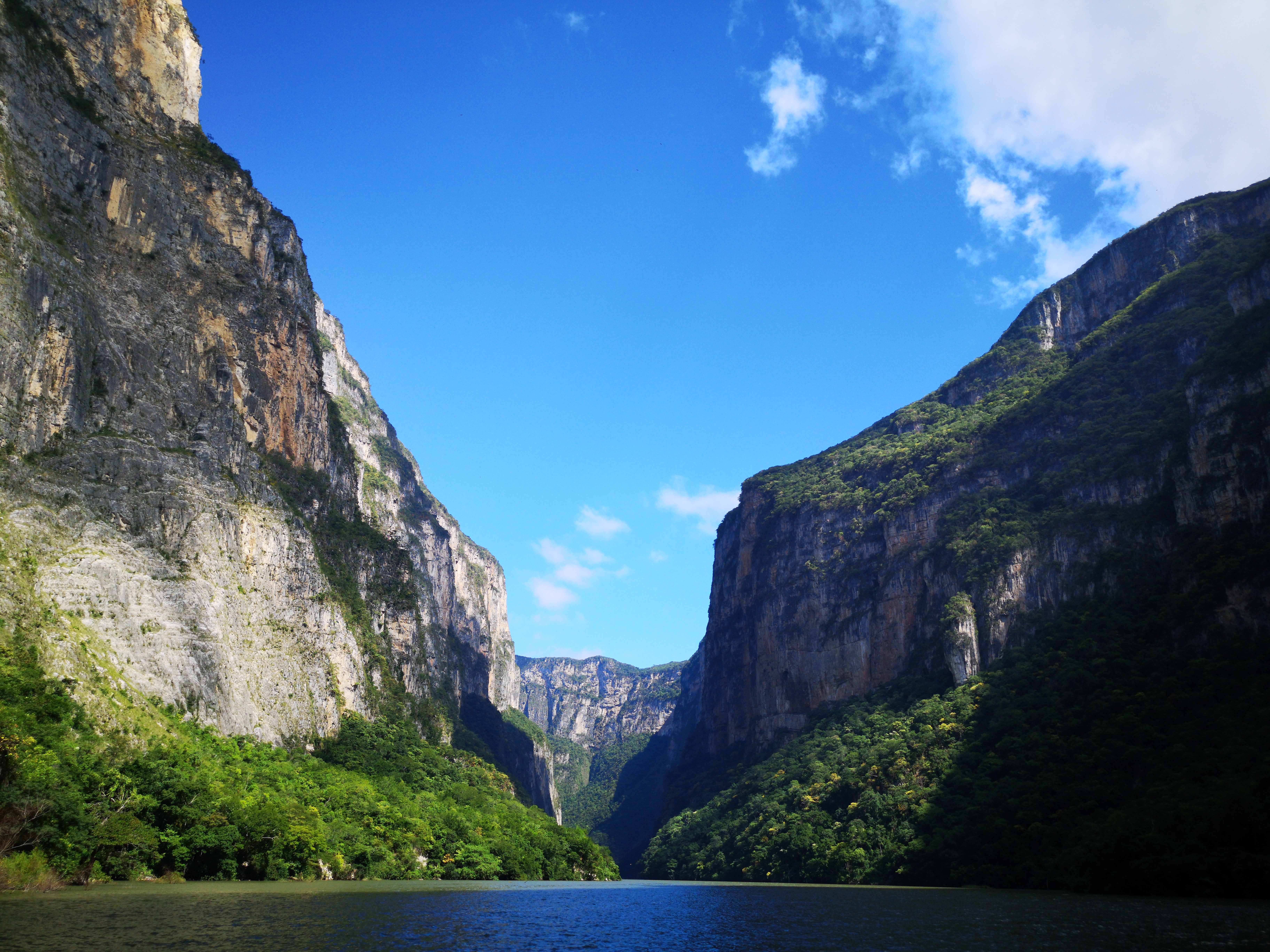
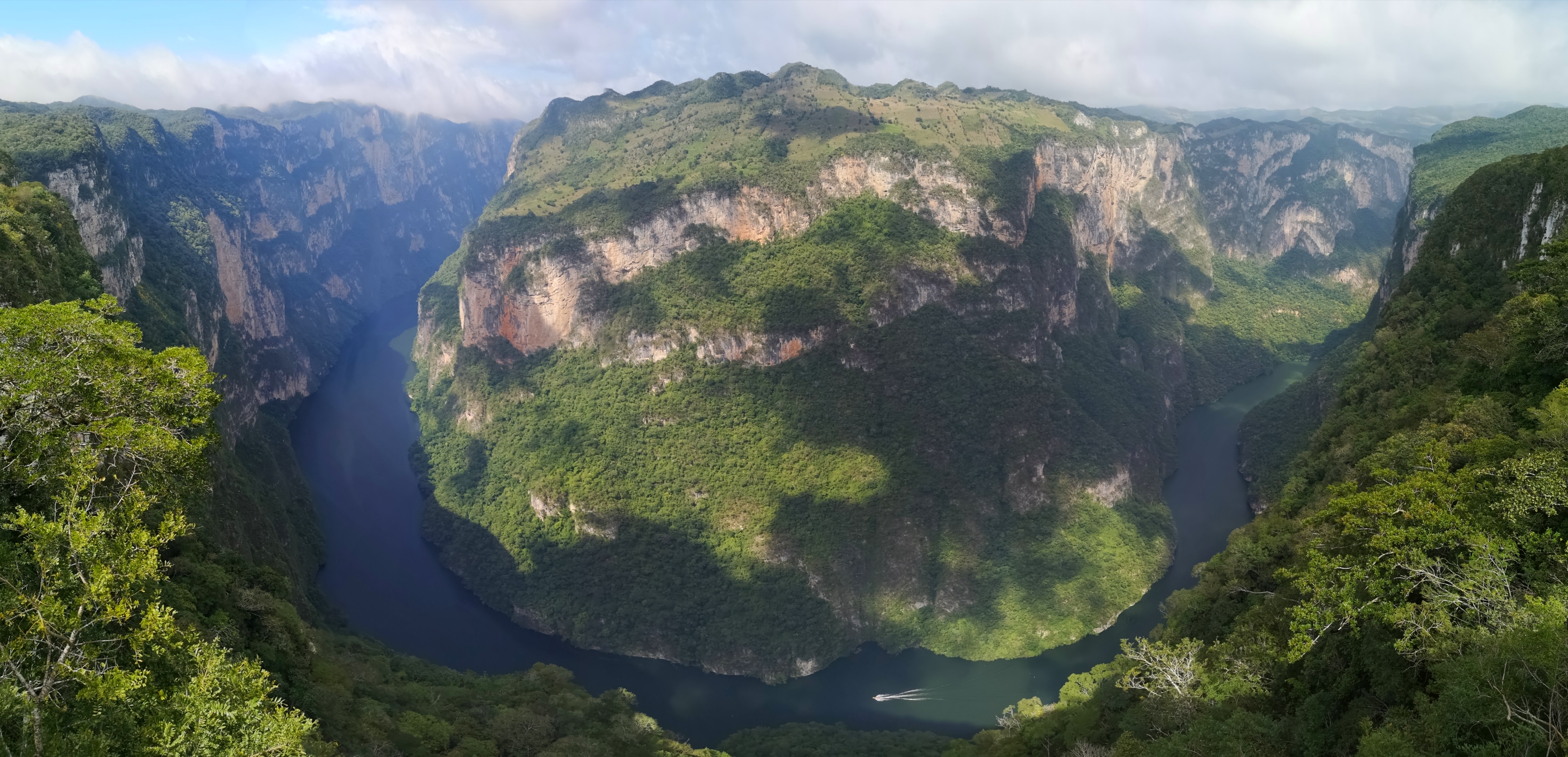
The next day we booked a day trip to Parque Nacional Cañón del Sumidero – a canyon about 1km deep at its deepest point. The bus ride from San Cristóbal de las Casas to the starting point of the boat ride in Chiapa de Corzo took us from 2,200m to 400m altitude in less than 1 hour which we could feel as the weather changed as if we’d been on the bus for a whole day – from cool, dry 15-20°C to very humid 30+°C. It was a very nice day trip though and we even got to see some cheeky monkeys in the trees and a crocodile close to the boat.
Palenque
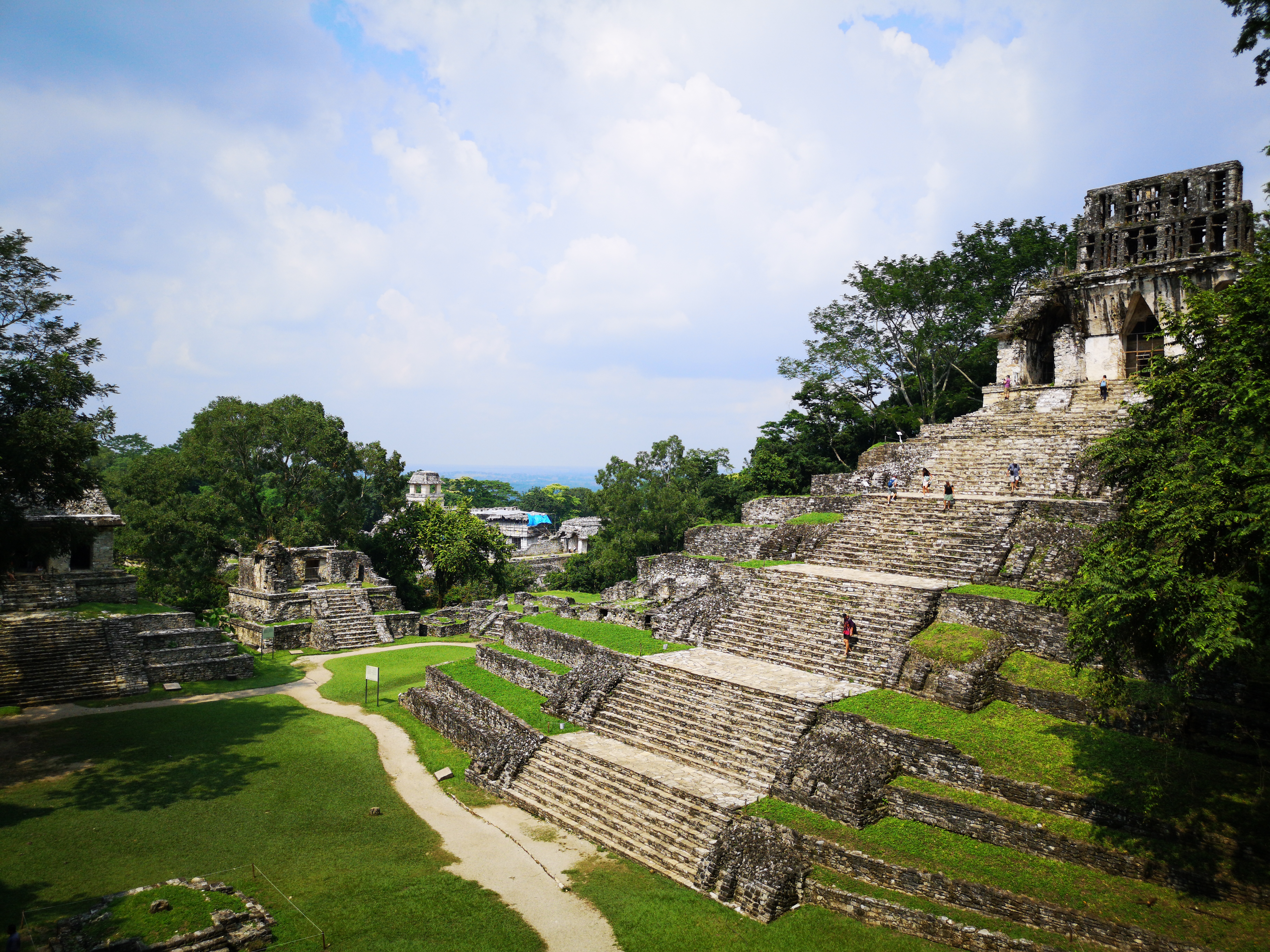
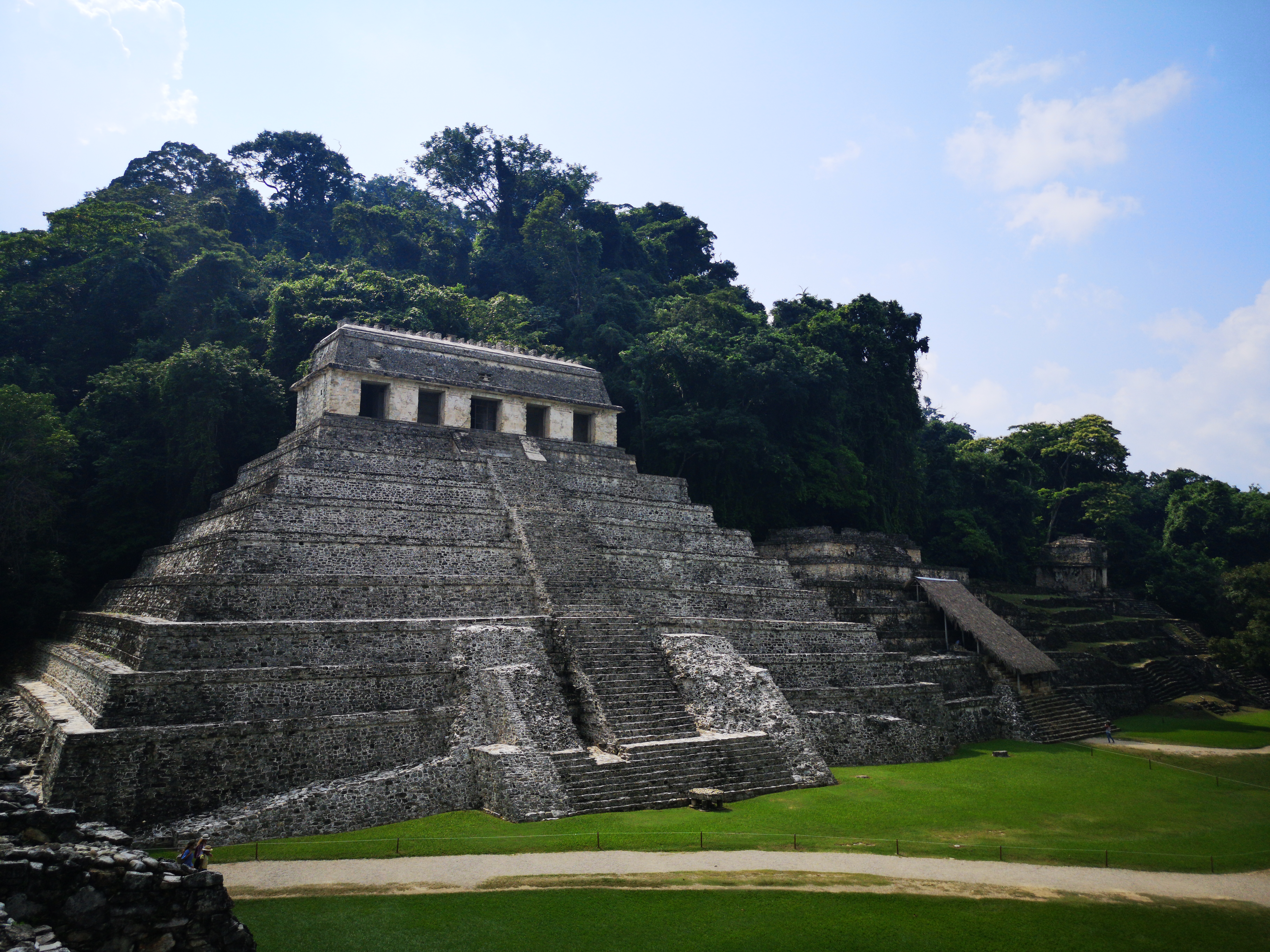
Palenque is only about 100km from San Cristóbal de las Casas. However, due to occasional hijackings of buses along the direct route, we went the long way around and got to there after about 10 hours on the bus. We stayed in a nice bungalow in the forest about half-way between the town and the archaeological site and luckily started talking to 2 Belgians at the bus terminal who stayed at the same place (and even had the same overnight bus booked for the next day) – perfect opportunity to share taxis and save some money! The Maya Ruins of Palenque were really cool as they’re set in the middle of the forest (not on plateaus like most others). It is currently estimated that only about 10% of the ruins have been uncovered at this site, meaning that there is still a lot of archealogical work going on.
Mérida & Valladolid
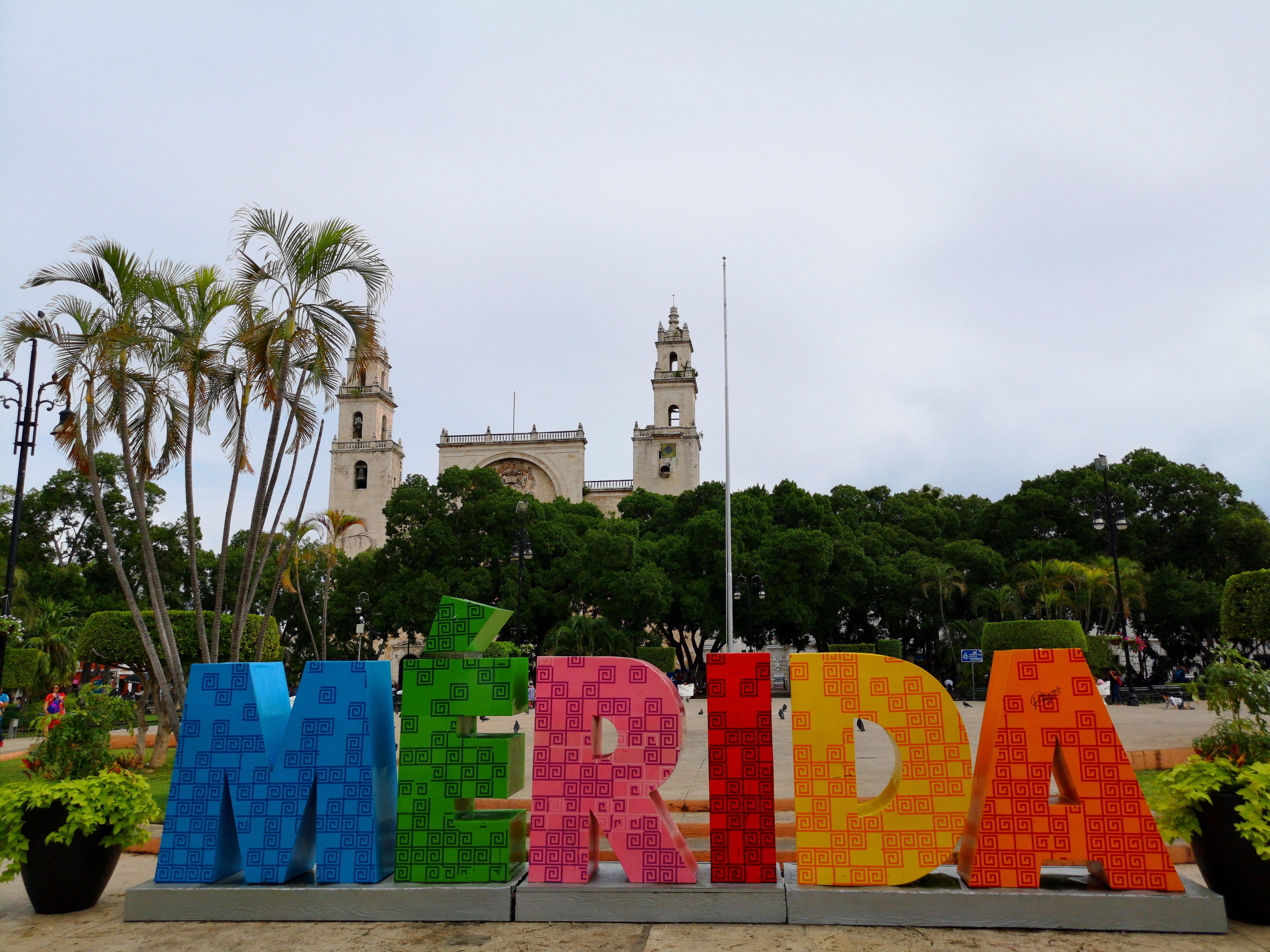
Time for ANOTHER long overnight bus to Merida (this week of travel was quite heavy on long bus rides!) We only stayed in Merida for 1 night as we decided to spend more time in the smaller town of Valladolid. We therefore didn’t get up to too much, except for walking around the city centre a little bit and look at countless old VW Beetles the streets of Mérida are full with, as the factory used to be here.
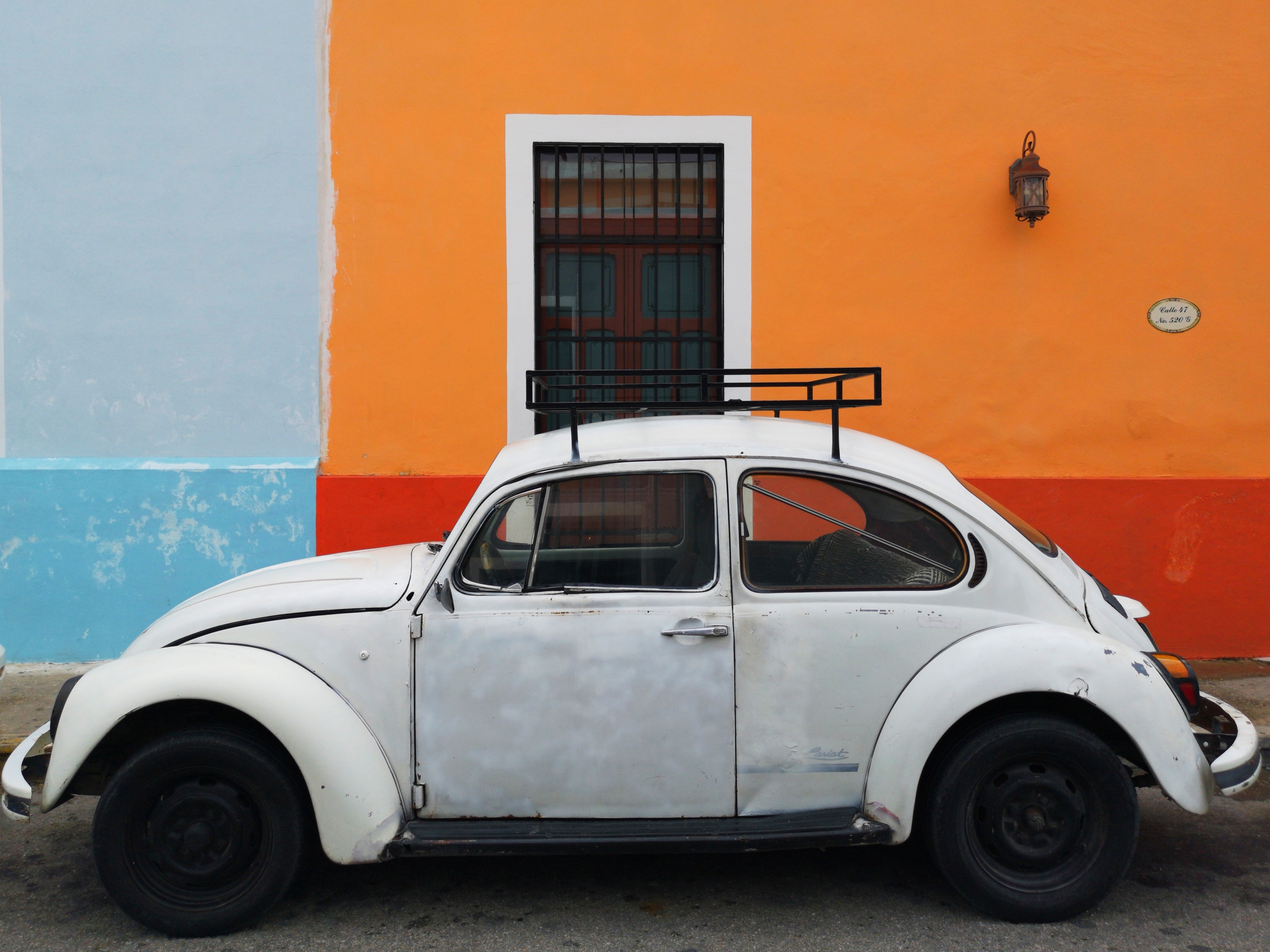
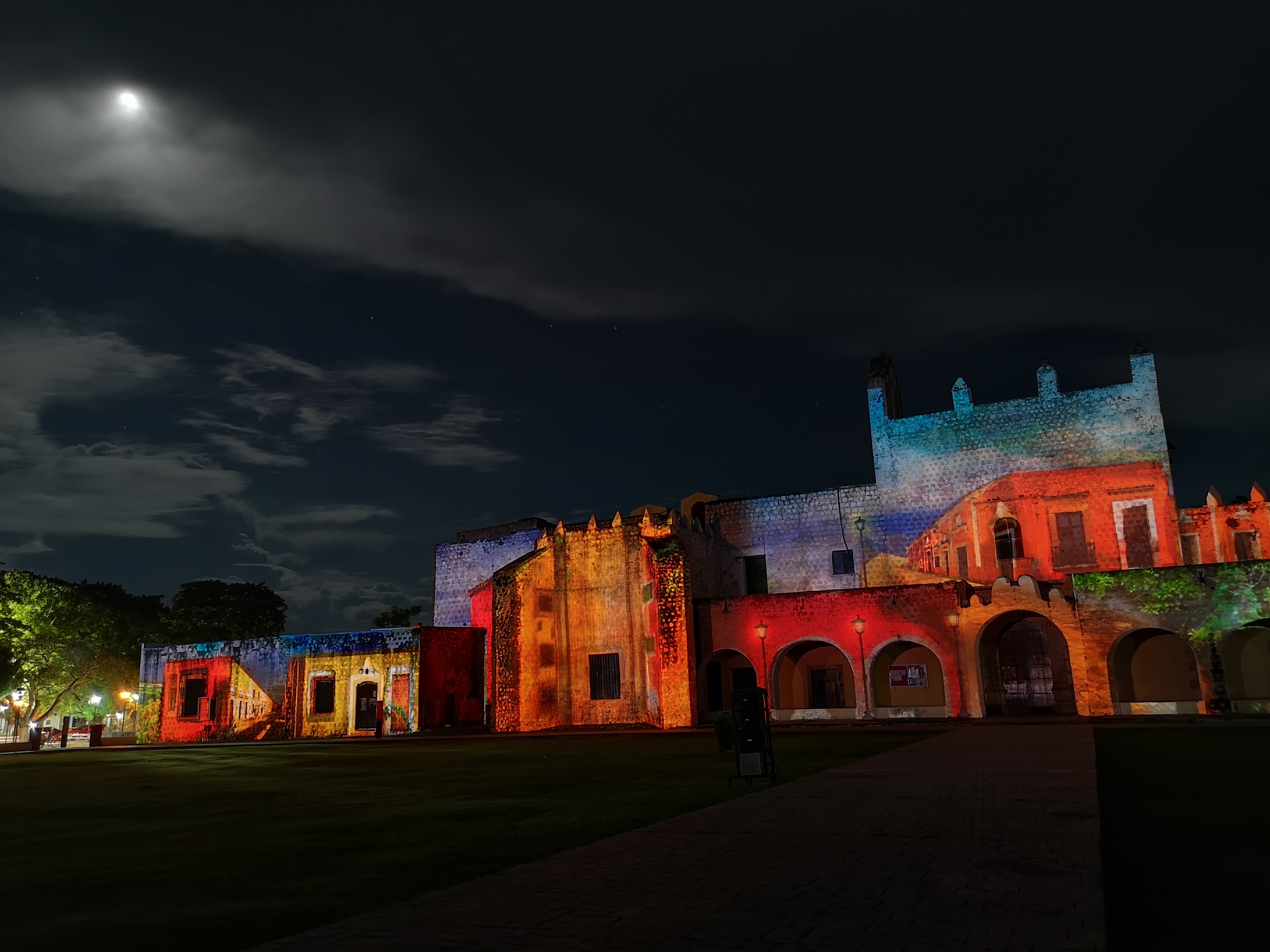
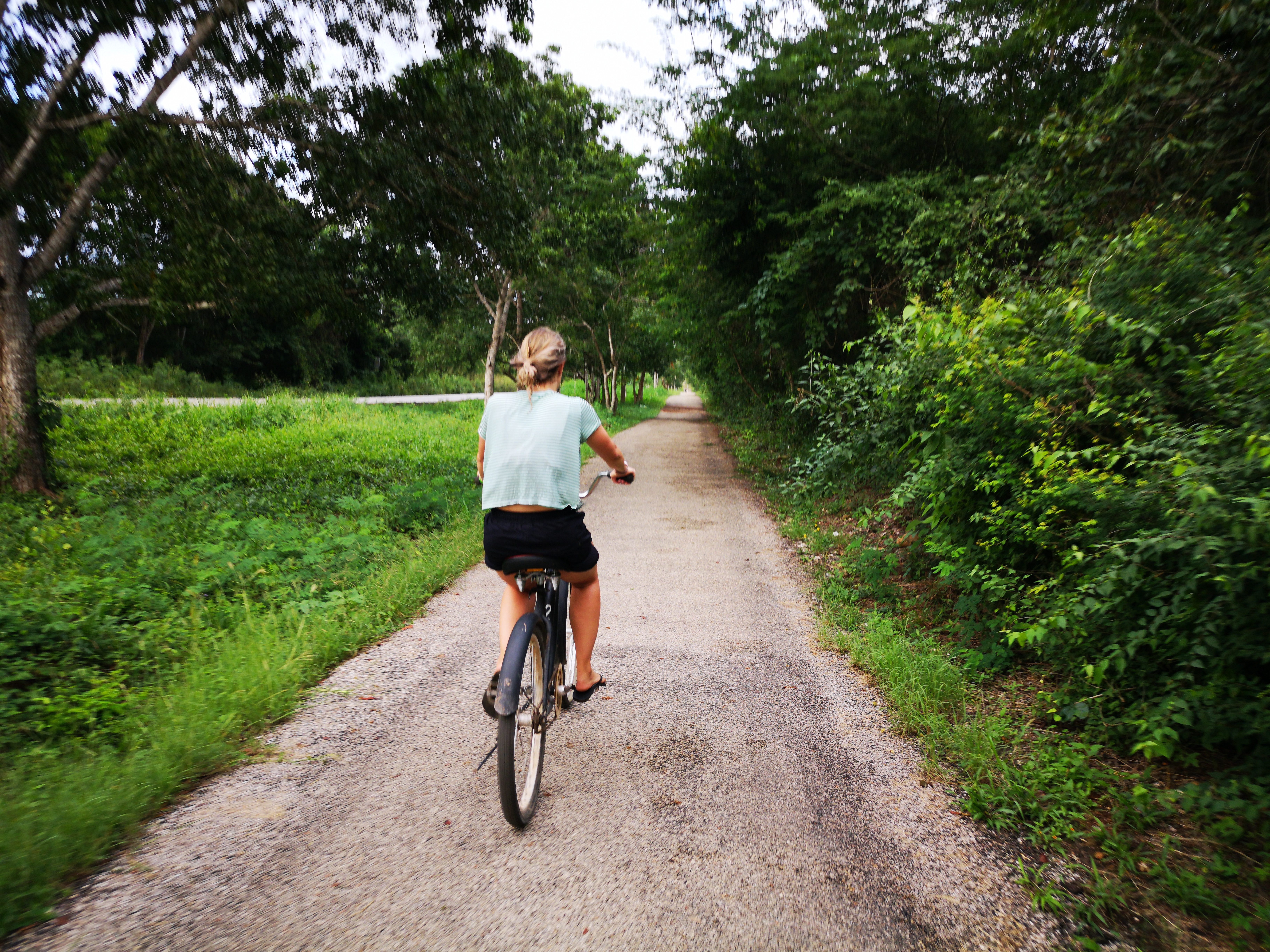
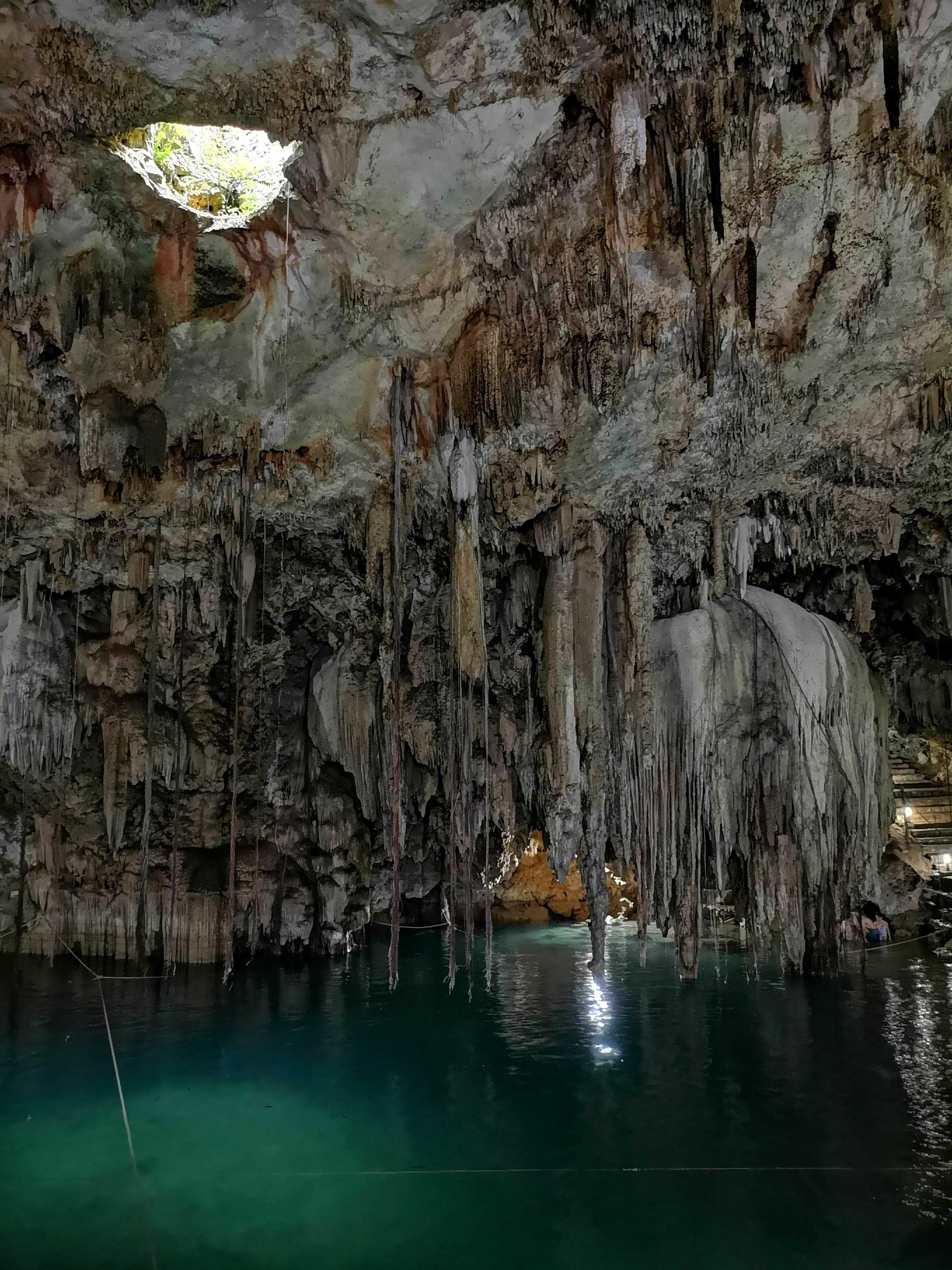
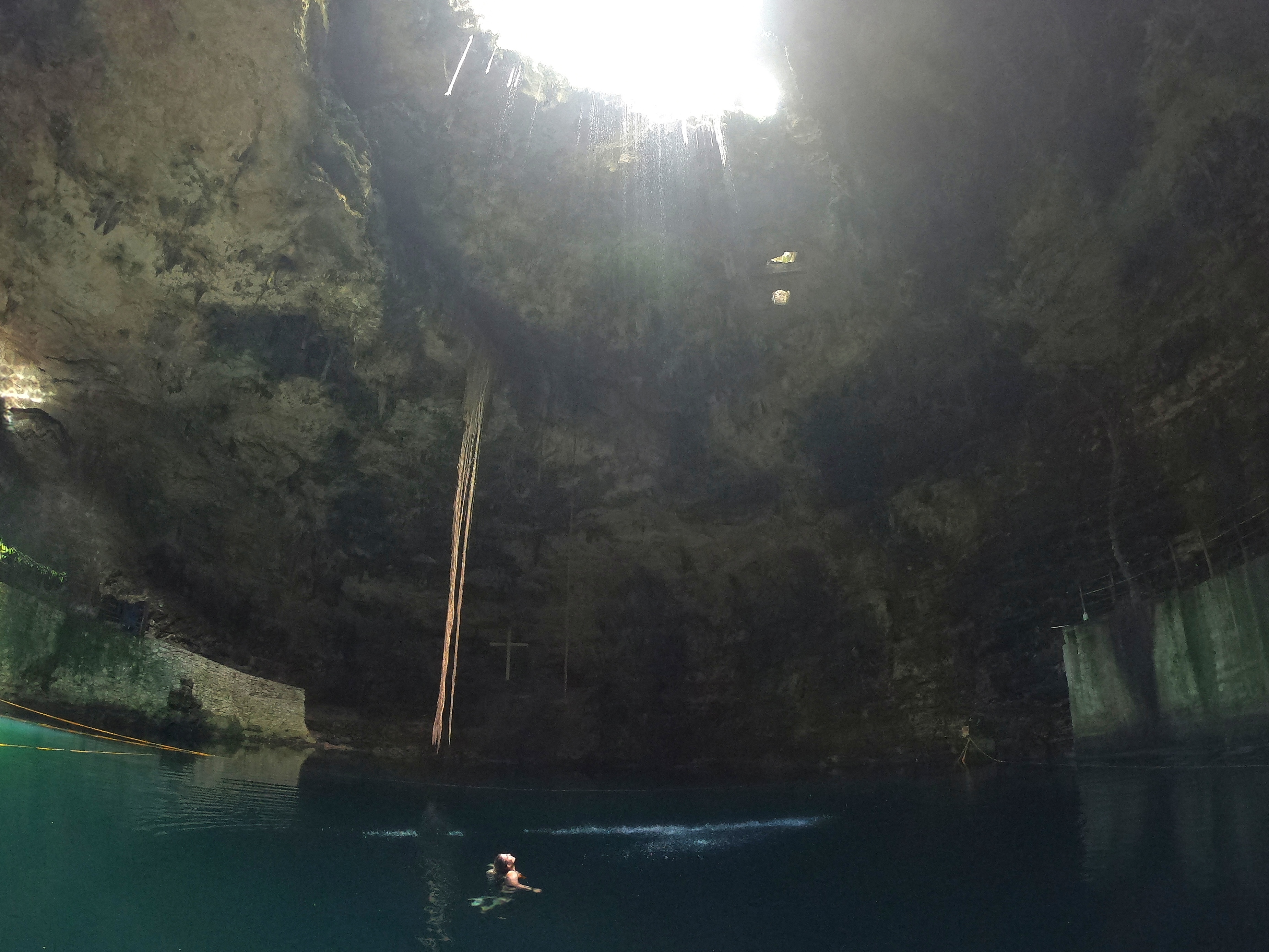
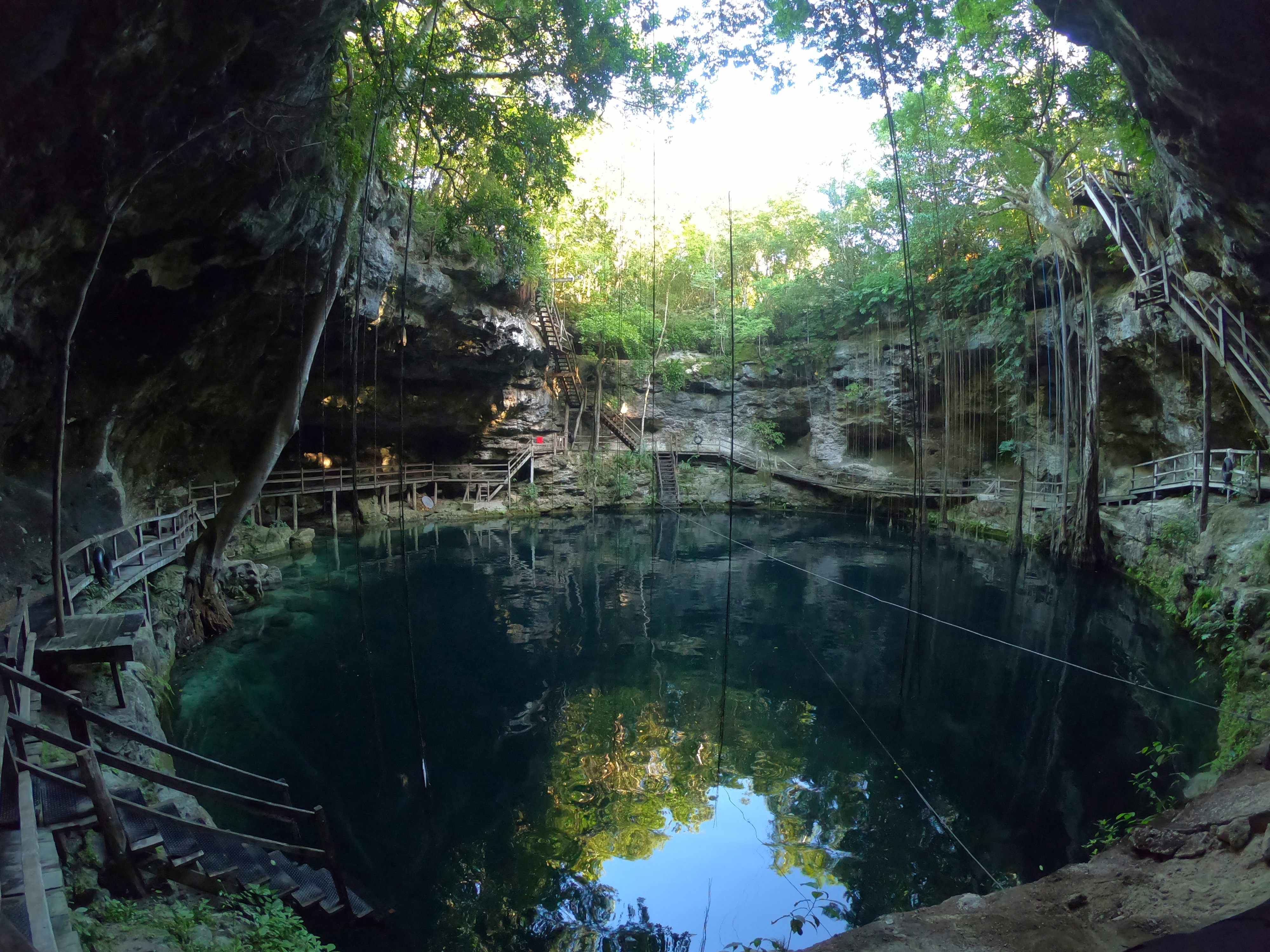
For a change, the trip to Valladolid was short and in a colectivo, rather than a whole day or night on a bus. We were also lucky that we got the 2 front seats next to the driver – meaning that we didn’t have to be squeezed in the back like chickens and that we got to practise our (very limited) Spanish skills a bit with the driver. In Valladolid we were lucky to start talking to some people in the hostel on the first night who told us about a light show about Valladolid’s history. The next day we hired bicycles from the hostel to go to 2 cenotes just out of town. We really enjoyed just floating around in those waterholes and so we decided to hire a scooter the next day to venture out a bit further and visit some more cenotes.
 Adventure Unknown