
Happy New Year! Sorry for the delay here – we’ve been quite busy as we’ve been travelling with a friend recently and we were also on a 10-day tour from Guatemala to Nicaragua, so we didn’t really have a lot of downtime to sort through photos and continue writing this post.
After travelling through Mexico for 4 weeks, we hopped on a plane in Cancun and took a short 1-hour flight over to Cuba for a (very tough) 2-week break from tacos and elotes.
We decided not to tackle the whole island but to focus on the western and central areas and spend more time in each place, expecting to be able to dive into the culture and atmosphere a bit more. We started off in Havana, and then went west from there to Viñales, then to our most eastern destination in Trinidad and finally to Varadero to relax on the beach.
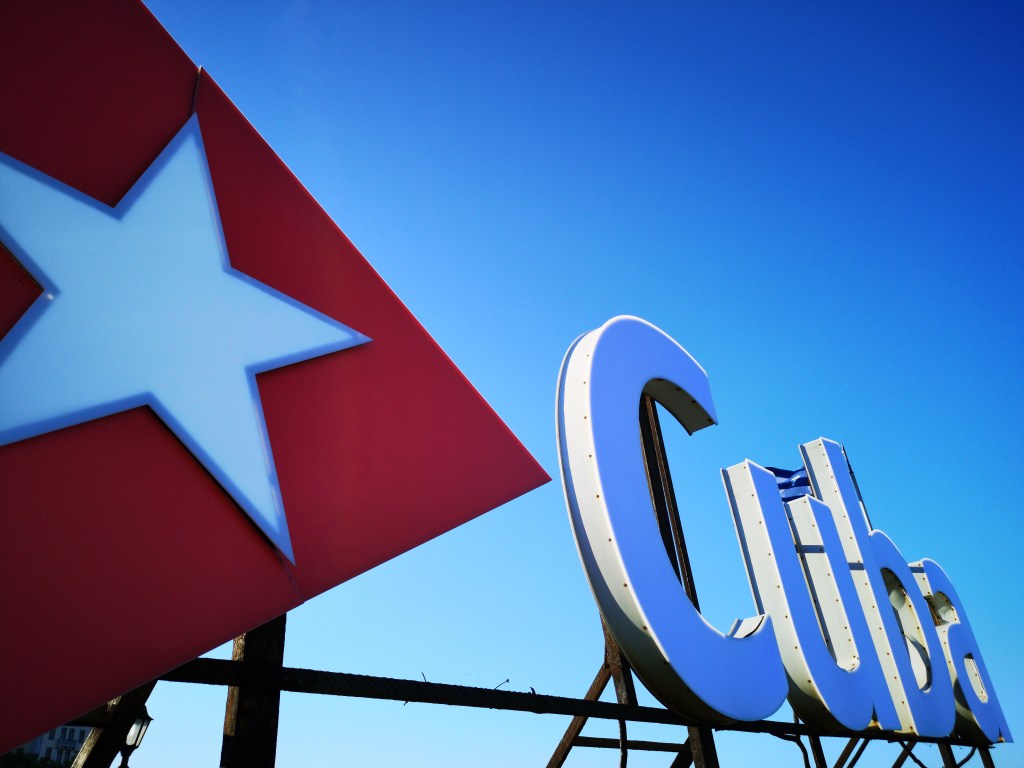
La Habana (Havana)
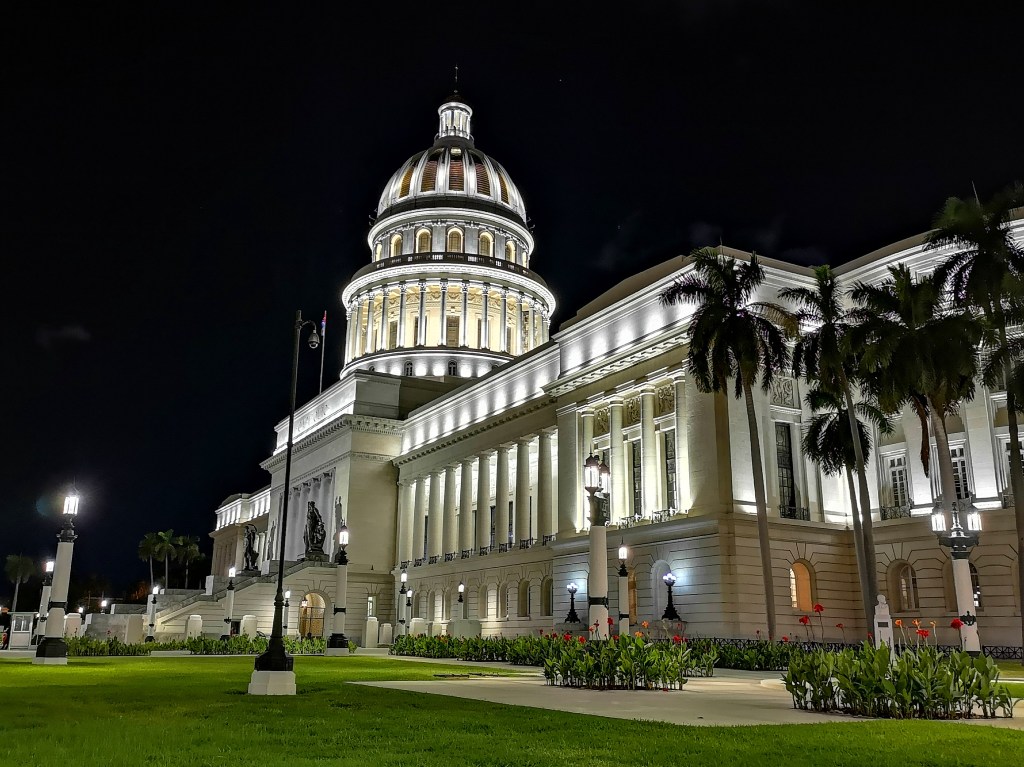
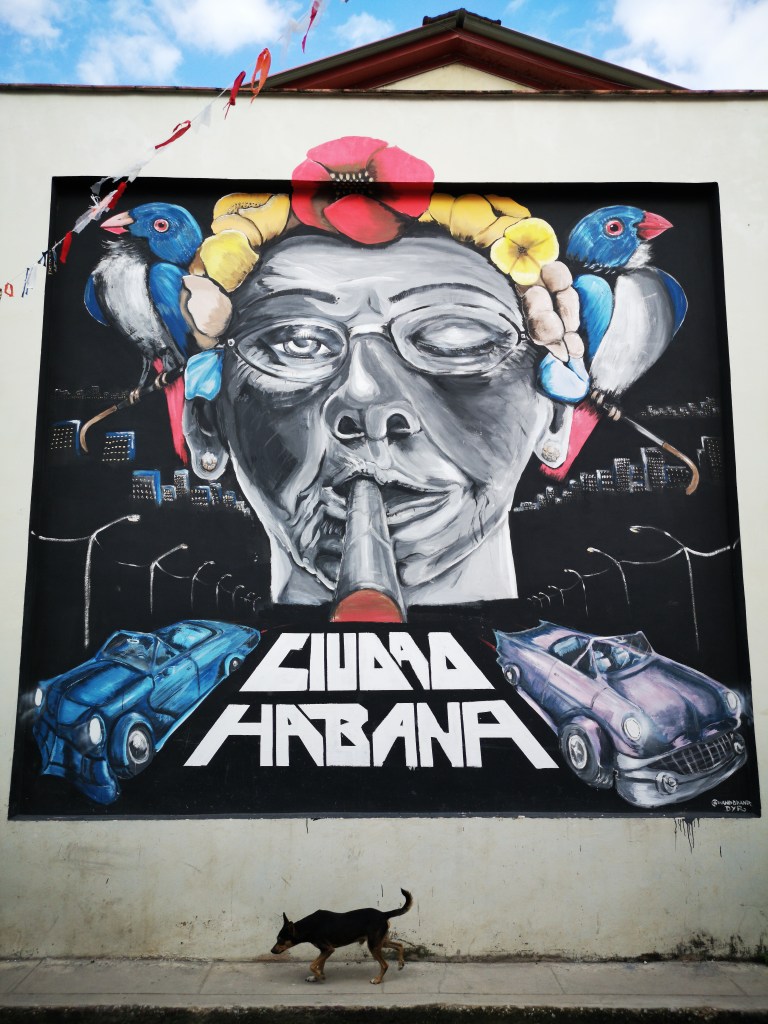
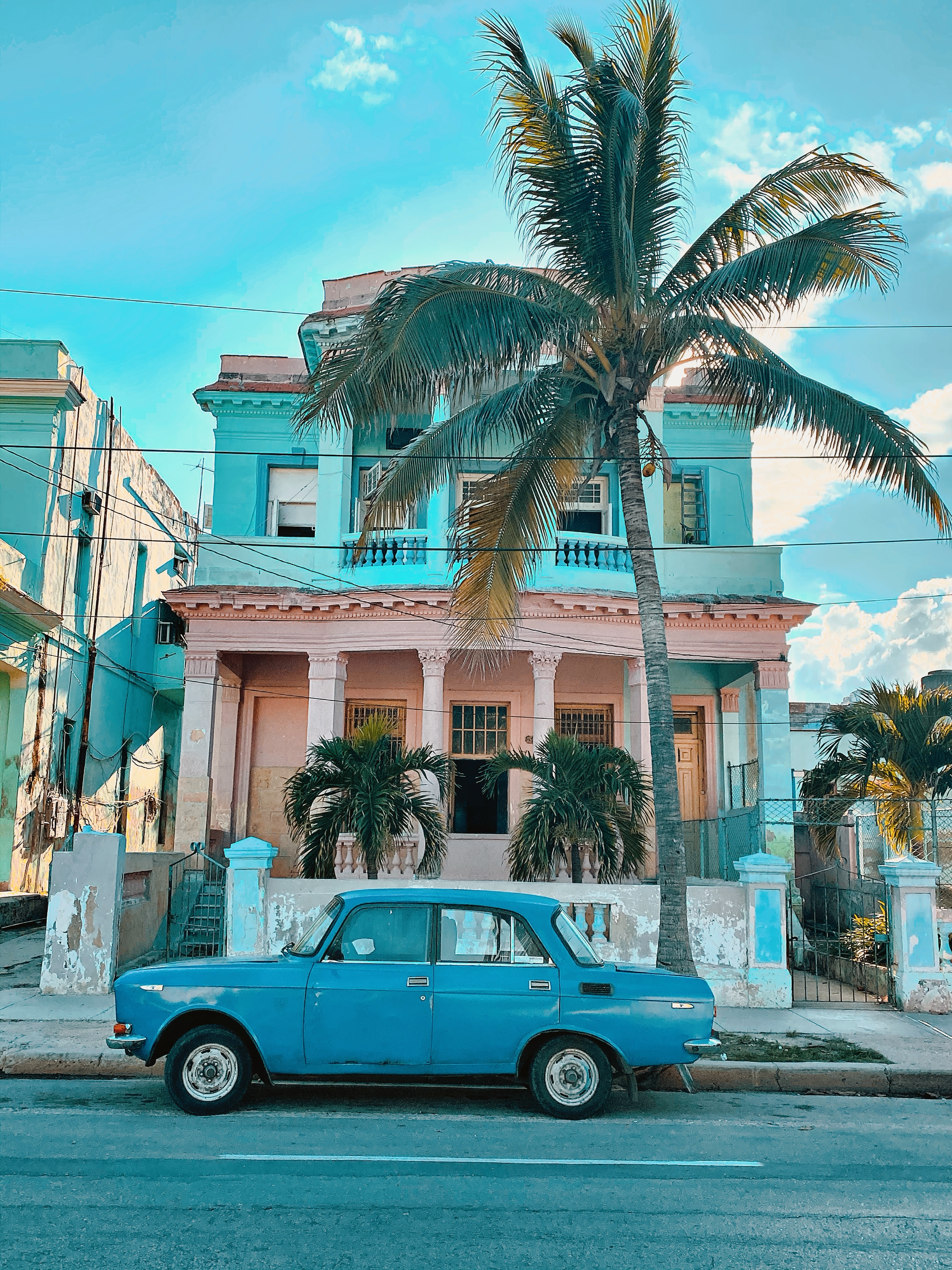
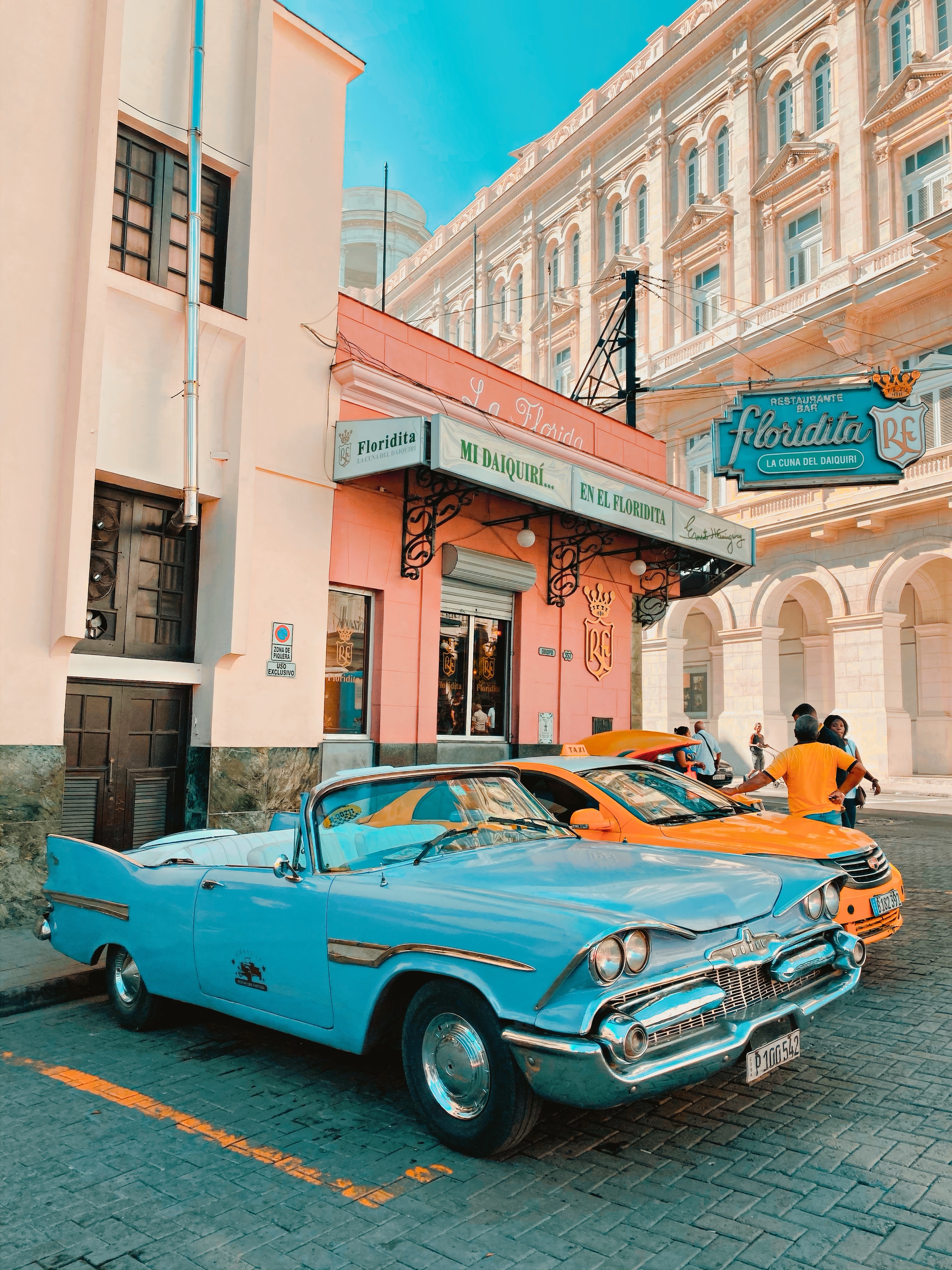
We started off in what turned out to be our least favourite spot in Cuba. The (very touristic) centre of Havana is quite picturesque but we got annoyed very quickly by a constant horde of people harrassing us for a taxi ride or to buy cigars, rum and WiFi cards – to a degree where it was difficult to just have a conversation because we were interrupted every few seconds. Coming from Mexico, where people were generally very friendly and helpful, we experienced a different kind of mentality where most people were just after our money.
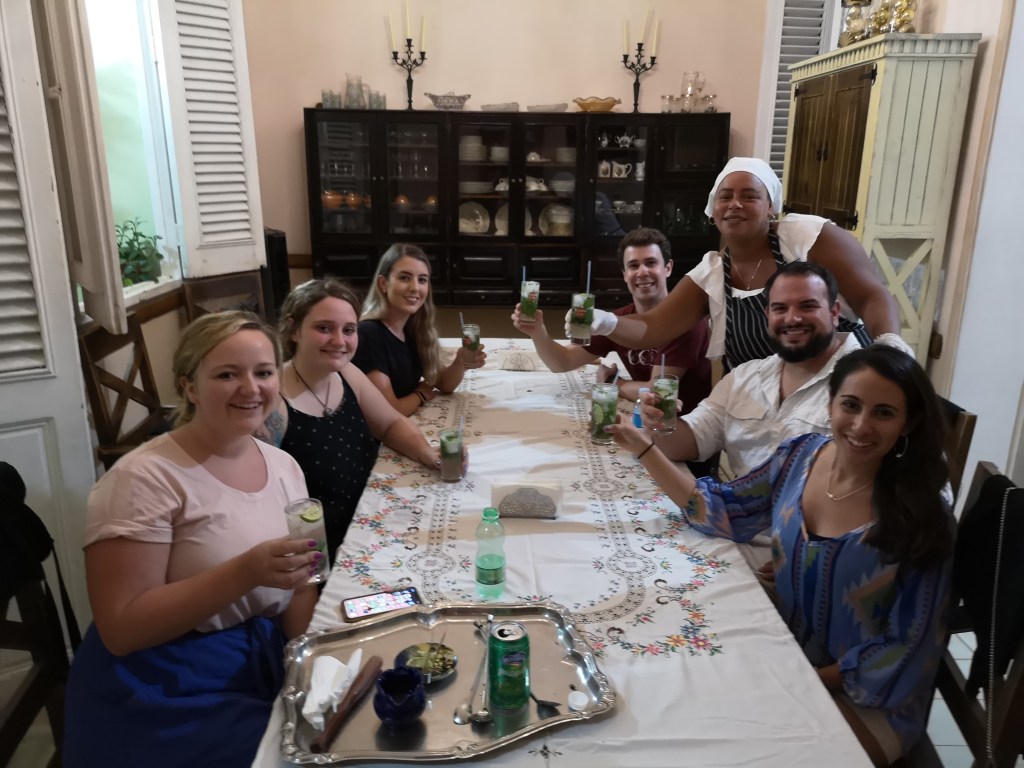
One of the highlights in Havana was a cooking class we booked and where we got to learn a bit more about traditional foods and how to make the perfect Mojito🍹
Viñales
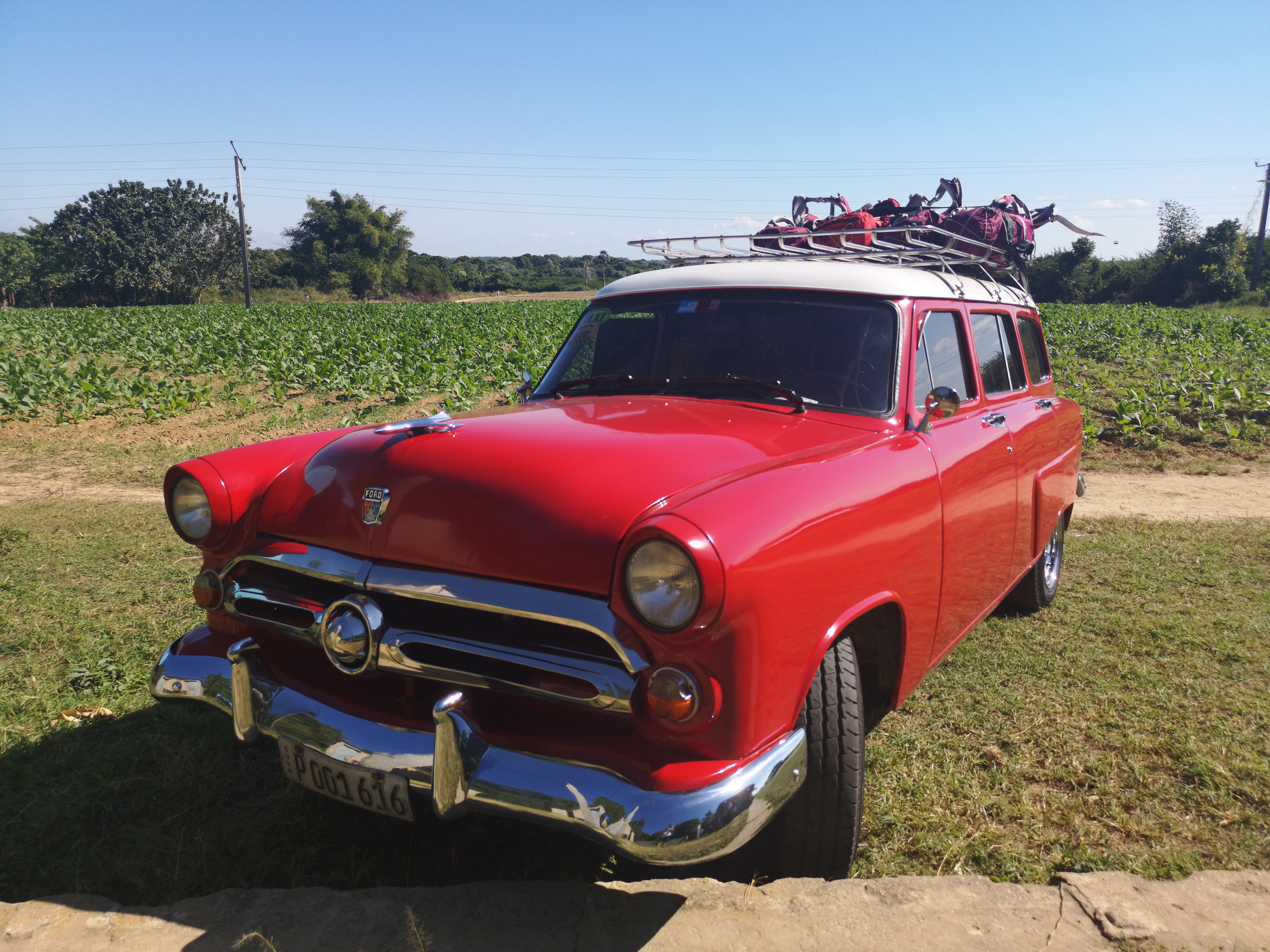
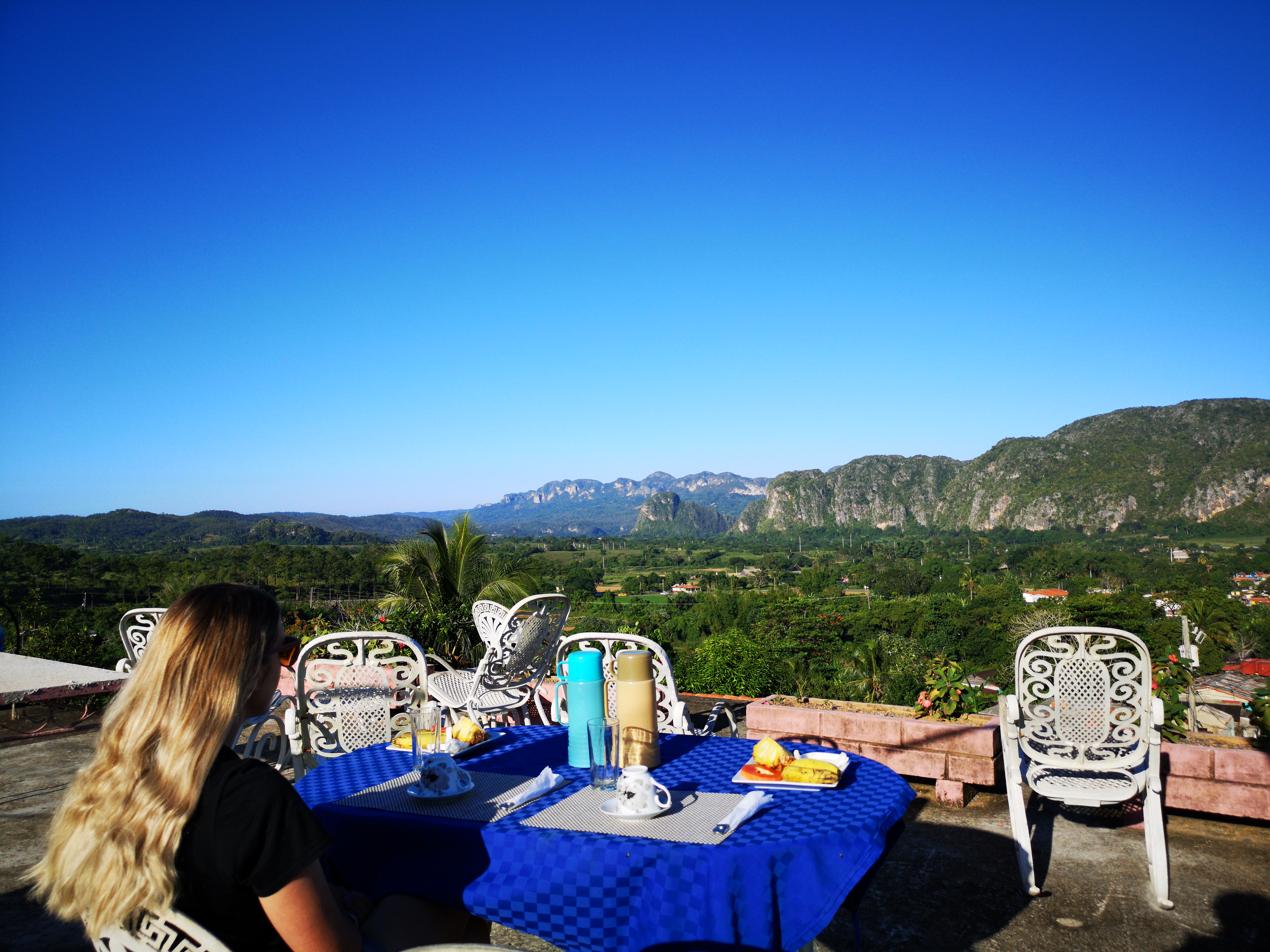
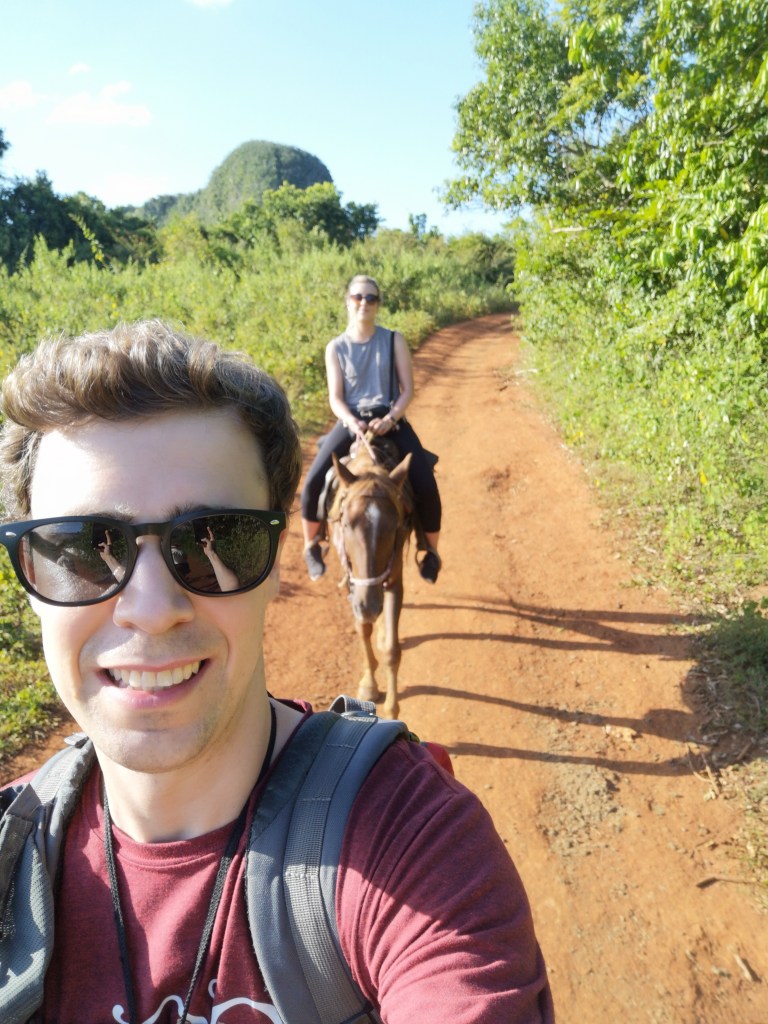
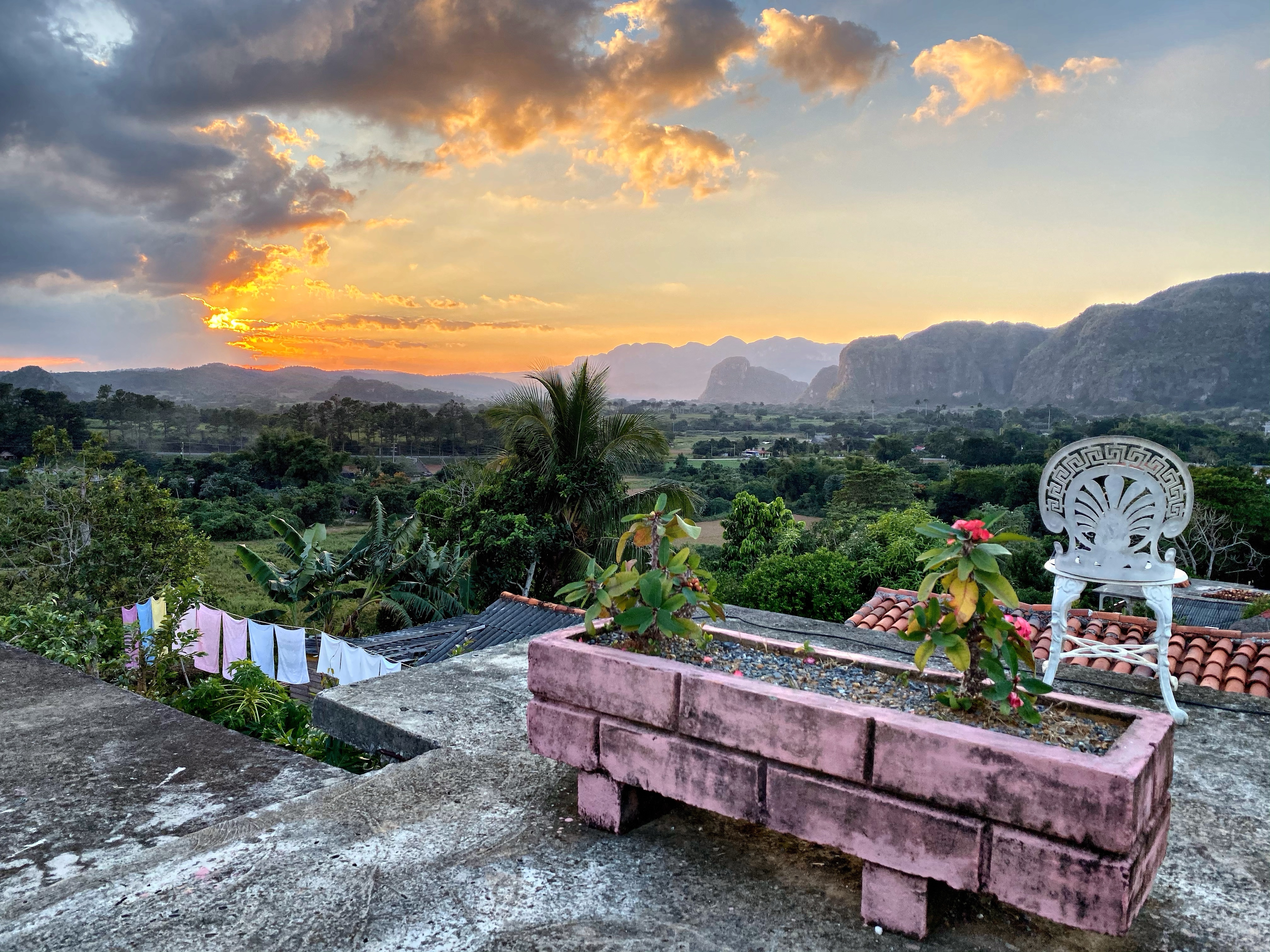
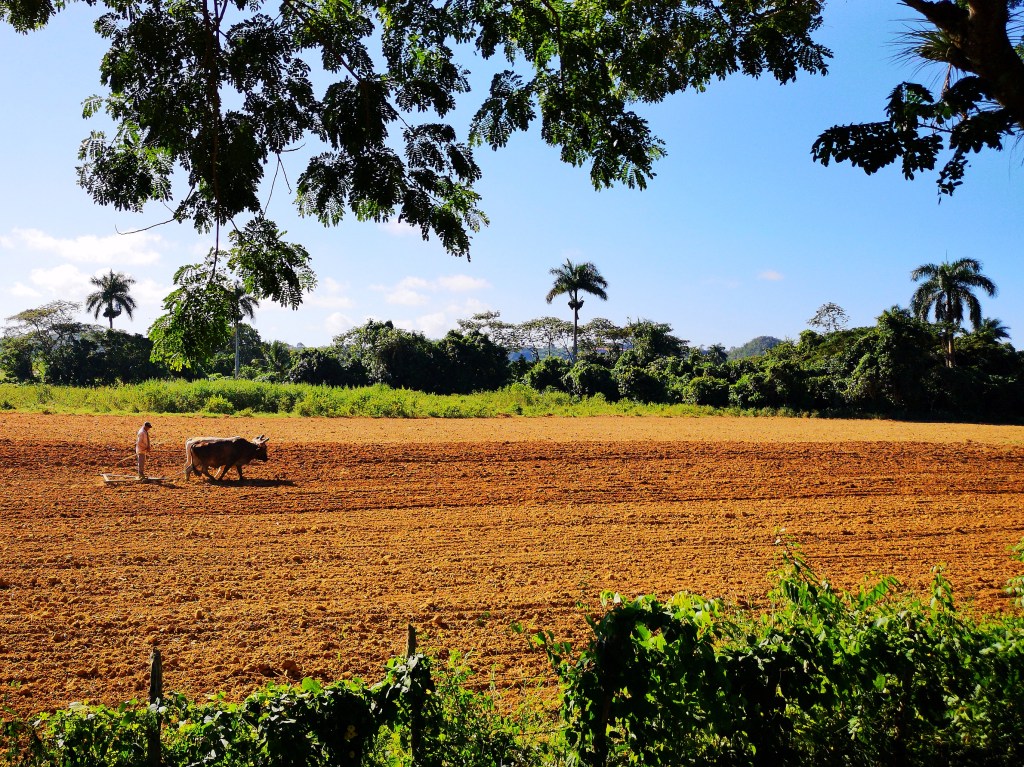
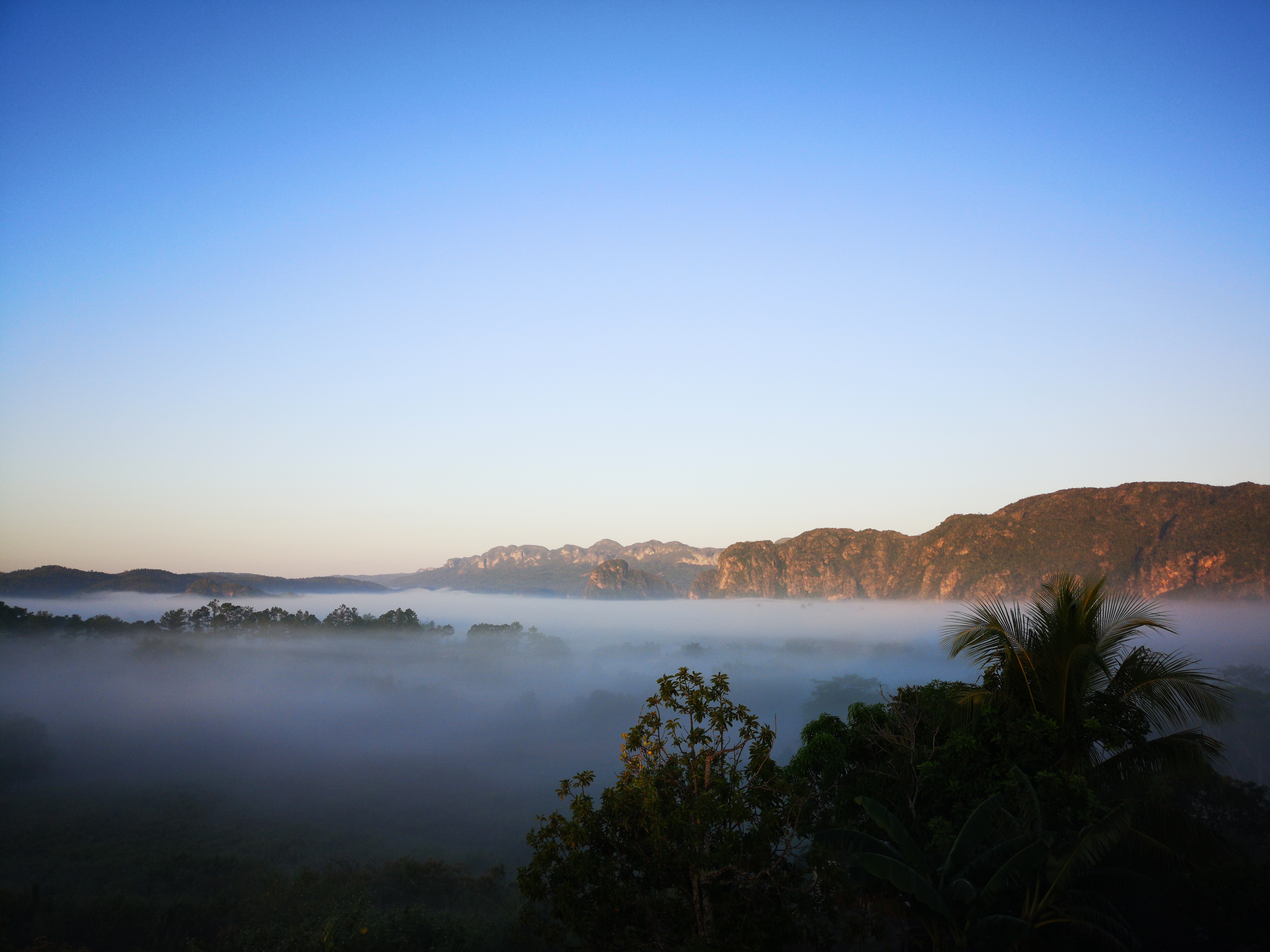
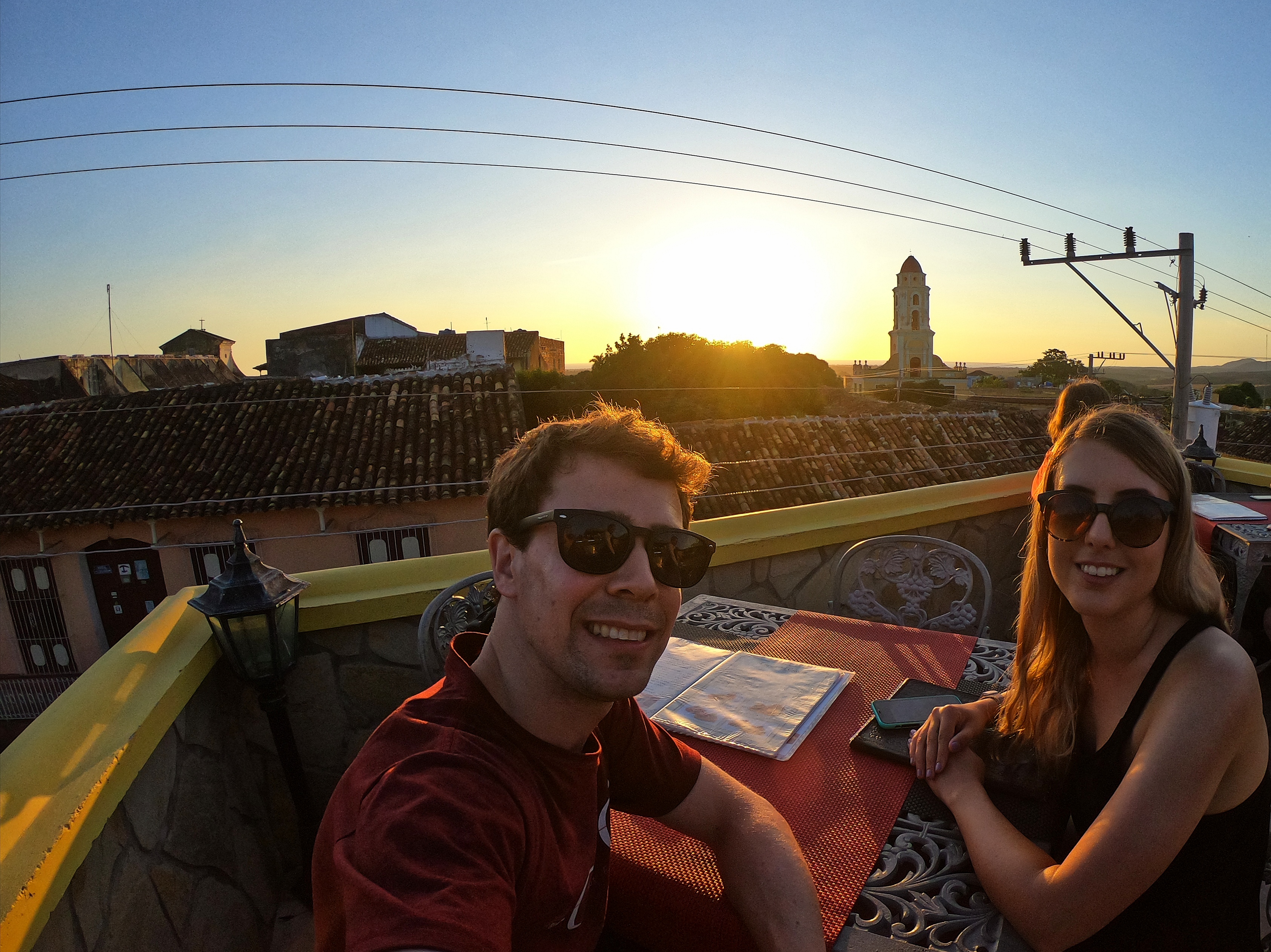
After 3 full days in Havana, we were quite glad to jump on a colectivo (shared taxi) and make our way to the much quieter town of Viñales, an area famous for its tobacco and coffee plantations. Thanks to Eliza’s research into accommodation options, we stayed in a place on the highest point of the town with a rooftop terrace overlooking the whole valley – the perfect spot to enjoy cocktails, coco locos (coconuts cut open and spiked with rum) and watch the sunsets. We took it pretty easy here, relaxed at the pool of a nearby hotel and went on a horseback riding tour through the valley.
A note for anyone planning to travel there in future: almost all cafés and restaurants in Viñales offer free WiFi (something we didn’t see at all in Havana)!
Trinidad
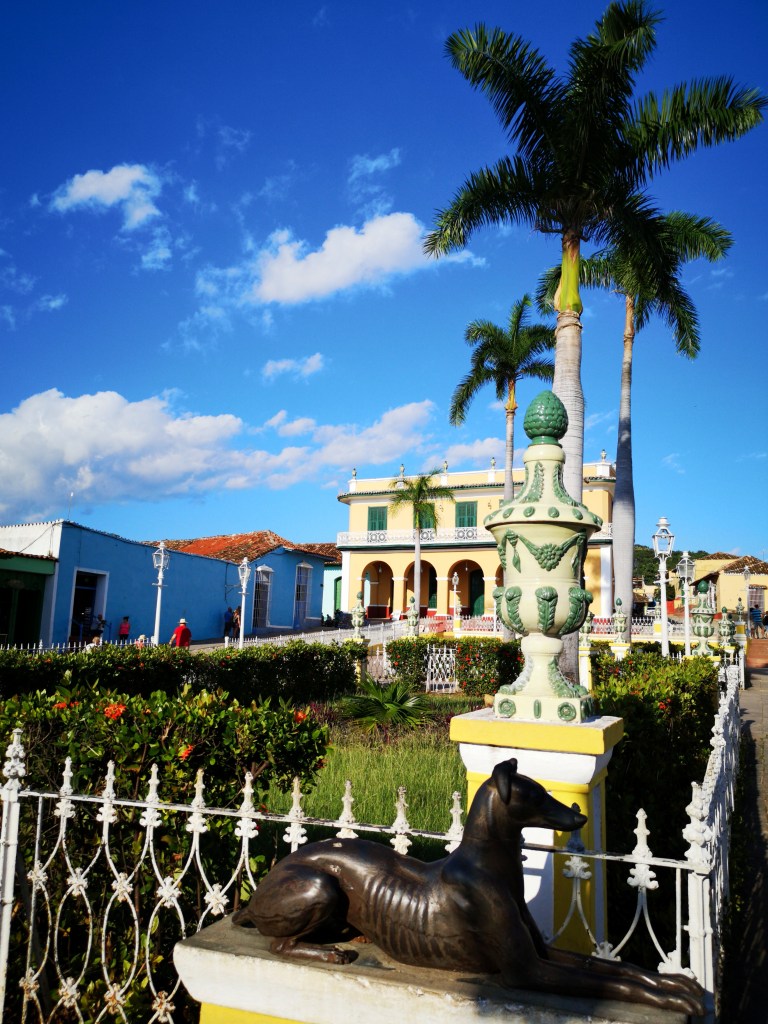
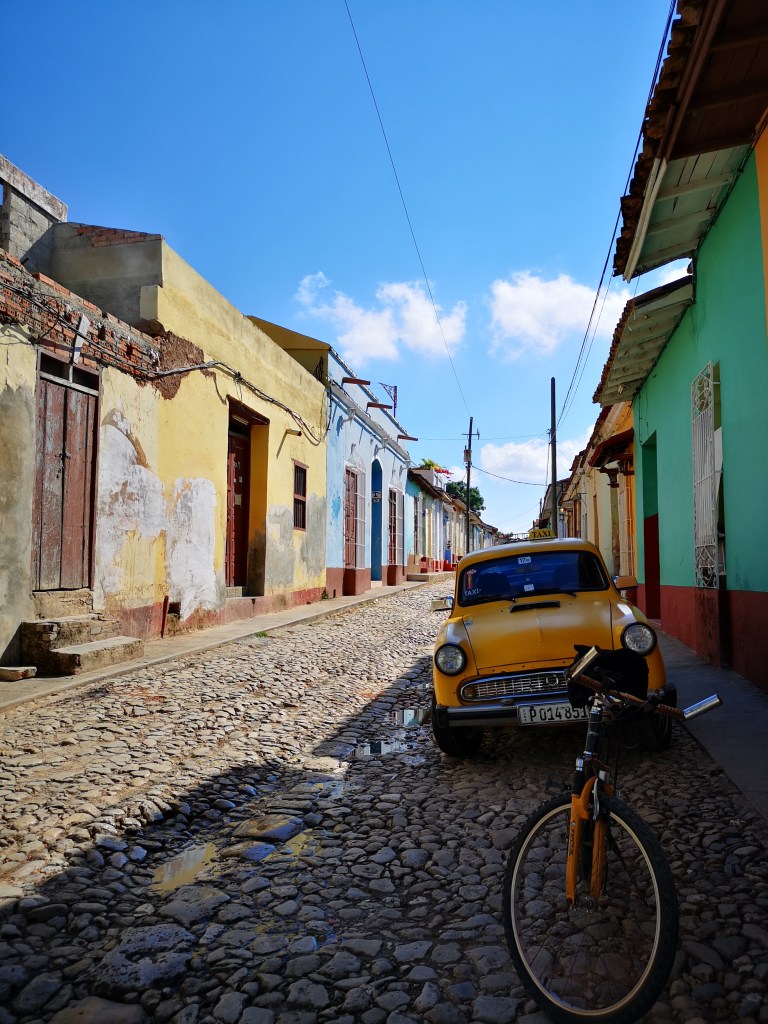
After a quick 6-hour colectivo ride for 40 CUC per person (which equals the monthly income of a doctor!), we got to Trinidad which is roughly in the middle of the island, on the south coast. The town was slightly more touristic than Viñales, bus still felt very quiet compared to Havana. We could definitely see a more intense lack of investment in infrastructure compared to the other parts of Cuba we saw – including potholes big enough to devour a child and a constant flow of water through the centre of the town from a broken water main. The water main had apparently been broken for a long time, yet the residents only get water for a few hours a day (and some parts only every days).
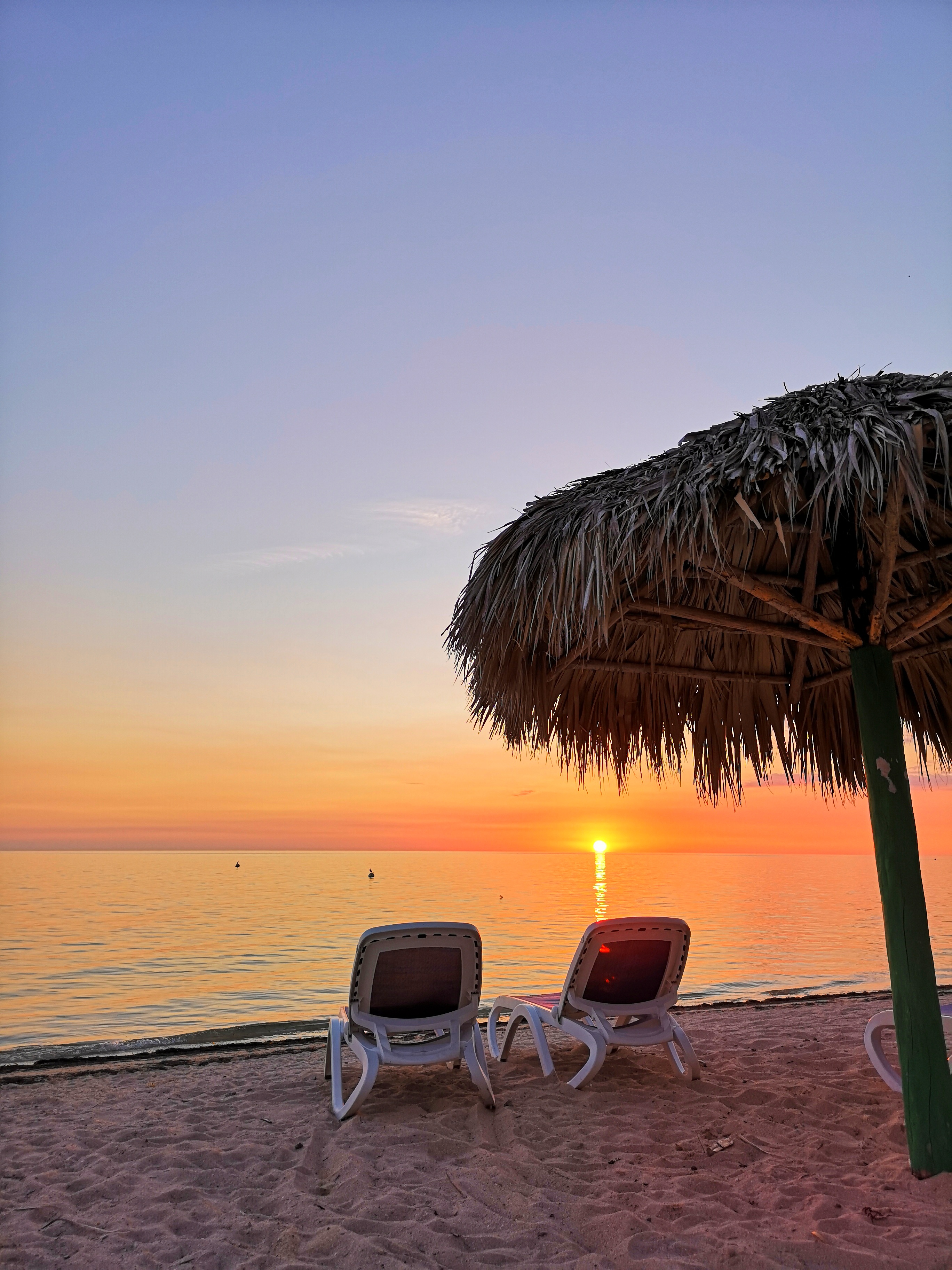
After we explored the town up, down, left, right and centre, we decided to pack a small bag and spend a day on the beach. The vibe was very relaxed with just a couple of bars and hotels close-by, which made it very easy to enjoy the perfect sand beach, cristal clear, calm and warm water, and the beautiful sunset.
Varadero
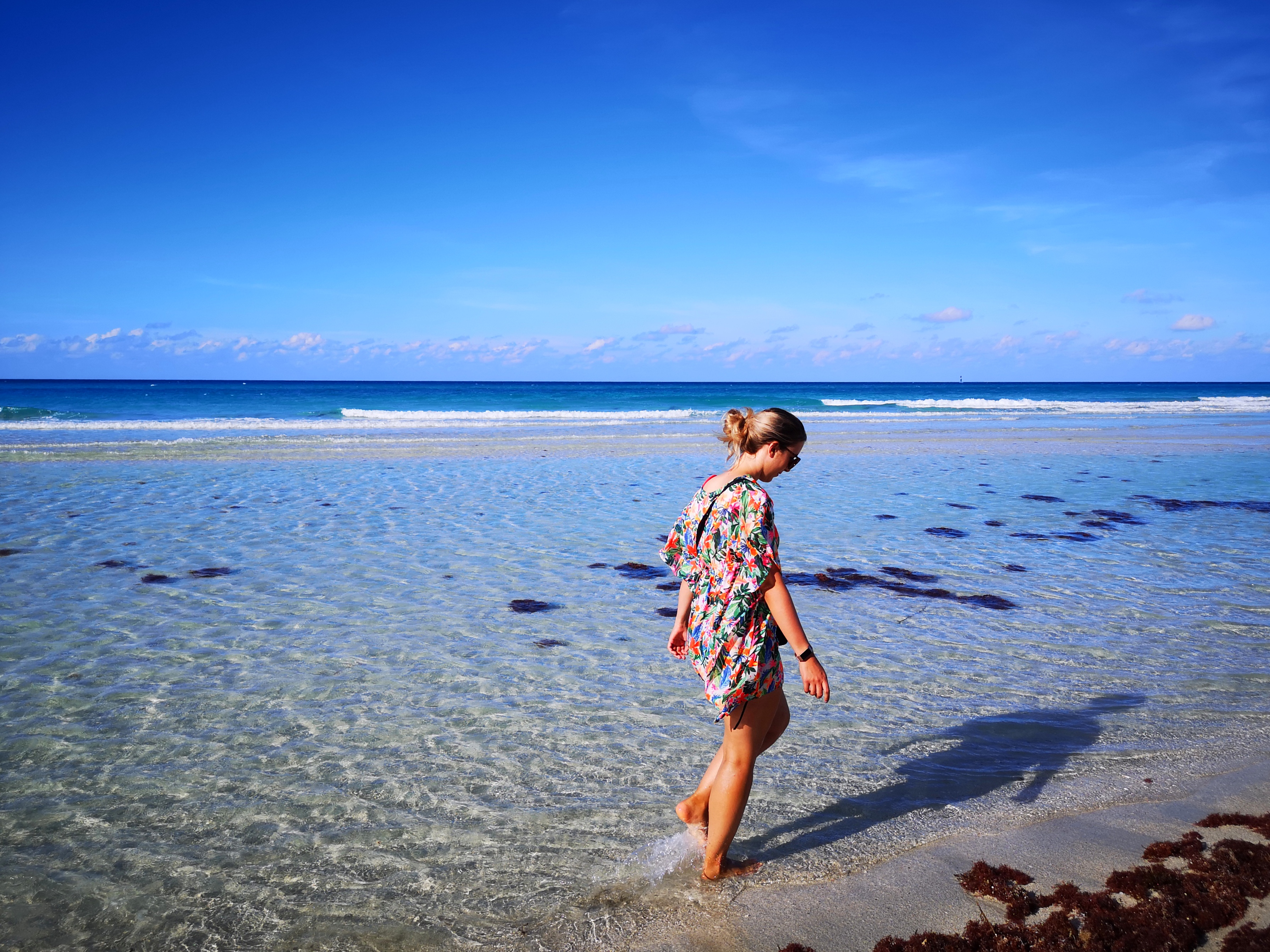
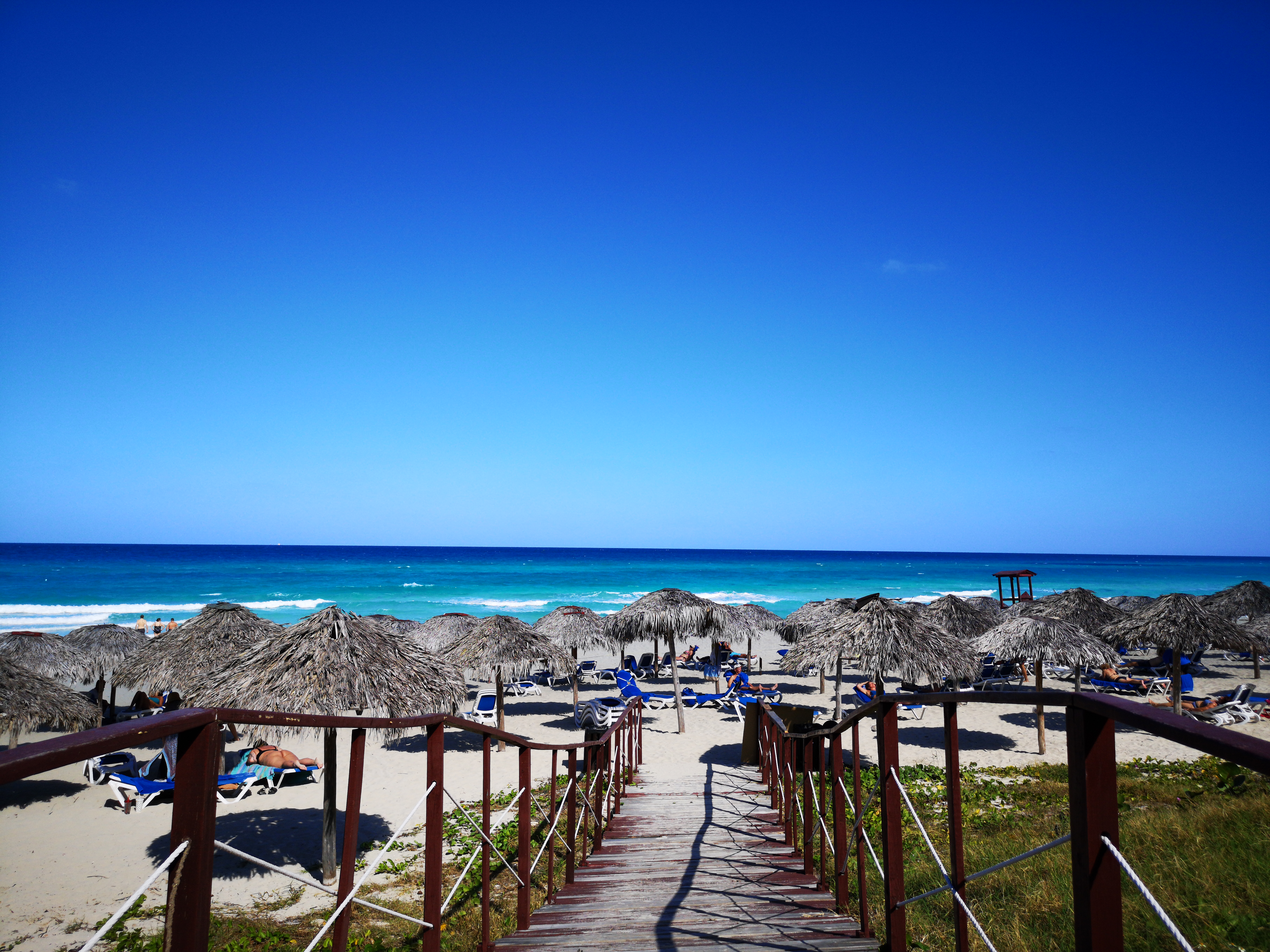
Varadero is full of (all-inclusive) hotels and there isn’t really much to do besides chilling on the beach – which is what we did for a couple of days. Initially we had planned to spend another night in Havana but due to our experience there a week earlier, we decided to extend our stay in Varadero and go straight to the airport on our last day. We were quite lucky with the weather and had 2 full days with hardly any clouds. Still didn’t help with Julian’s tan level 🤷🏻♂️ 🤷🏽♀️
Some info about Cuba
Cuba has 2 currencies: a local one (CUP) and a tourist one (CUC). 1 CUC equals 1 US Dollar and 25 CUP. We exchanged some CUC to CUP as we were told that some things are much cheaper when paid in CUP (like local buses in Havana), but didn’t really end up needing them. When paying with CUC it is very important to always check that you get the change in CUC as well, as we’ve heard that people sometimes get back CUP instead (worth only 1/25 of what you should get back). Luckily, this didn’t happen to us.
Connecting to the internet is not simple in Cuba. It is necessary to buy WiFi access cards for 1 CUC which gives access to the WiFi hotpots in most public parks for 1 hour. The lines at the official stores to buy these cards are generally between 1-2 hours, so it is beneficial to stock up on them when you buy some. Many people try to sell them on the street for 2-3 CUC per card but we were lucky and found a little store next to the tourist info in Havana which sold them at the normal price without any waiting time.
People employed by the government (including doctors, police officers,…) earn between 40-70 CUC per month, which really puts into perspective how overpriced everything is for tourists, especially transportation between cities.
 Adventure Unknown